


| Table of Contents | |
| Possible Causes of P0135 & Their Repair Costs |
Code P0135 signals a malfunction in the oxygen sensor heater circuit for Bank 1, Sensor 1. This situation prevents the oxygen sensor from reaching the ideal temperature more quickly during a cold start. |
| How to Diagnose The Cause of Your P0135 Code |
A malfunctioning oxygen sensor is usually to blame for code P0135, but this DTC can also be triggered by damaged wiring, a damaged fuse, a defective coolant temperature sensor, or an exhaust leak. A bad engine control module or powertrain control module can also be at fault. |
| Can I drive with a P0135 code? |
Yes, driving with a P0135 code is okay for a week or two. Waiting longer continues to impact emissions and fuel economy while risking damage to critical components. Don’t drive if engine performance is reduced. |
| DIY | How To Fix P0135 Causes |
DIYable P0135 triggers include:
|
| FAQs | Frequently asked questions:
|
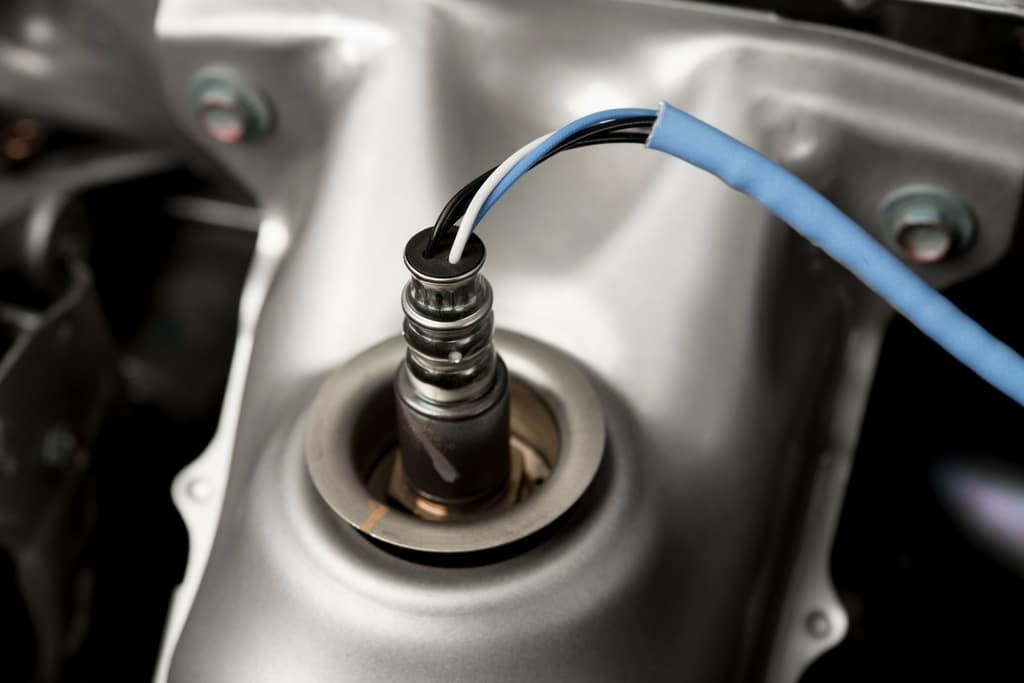
An oxygen sensor is a critical component in modern automobiles that monitors the air-to-fuel ratio. The engine control module (ECM) or powertrain control module (PCM) uses this information to adjust the fuel mixture and manage emissions. For this to happen, the sensor has to reach the correct temperature after a cold start, a process accelerated by an integrated heater circuit.
Diagnostic trouble code (DTC) P0135: Oxygen O2 Sensor Heater Circuit Malfunction (Bank 1, Sensor 1) is triggered when there’s a problem with this heating circuit. Specifically, the trouble lies with Sensor 1 (the upstream O2 sensor located between the engine and the catalytic converter), which is associated with Bank 1 of the engine (the side or part of the engine that contains Cylinder 1).
Code P0135 is one of several related codes. P0141 involves the oxygen sensor heater circuit for Bank 1, Sensor 2 (Sensor 2 is located after the catalytic converter. P0155 is associated with the same problem for Sensor 1 of Bank 2, while P0161 covers Sensor 2 of Bank 2. Most cars have multiple oxygen sensors.
Code P0135-related issues fall under the moderate severity category. So, it’s okay to drive with this condition, in most cases, for a couple of weeks. Continuing to operate a car with an unresolved P0135 code can increase emissions, reduce fuel efficiency, and affect performance. Over the long term, ignoring a P0135 code may eventually lead to catalytic converter failure and significant engine troubles, expensive problems that are best avoided.
Let’s examine common causes of a P0135 code, its typical symptoms, and the likely repairs. We’ll also examine what makes and models have the strongest history with this problem.
Possible Causes of P0135 & Their Repair Costs
While a bad O2 sensor is usually the cause of a P0135 code, the root of the problem can lie elsewhere. Considering all possibilities until you’ve eliminated them ensures a successful repair while helping to get your car back in peak running condition as soon as possible.
Check out the FIXD article on the most common causes of check engine lights.
Here’s an overview of the parts and systems that can cause a P0135 code and their average repair costs. Actual prices can depend on the vehicle and location.
| Part To Repair | Part / DIY Price | Mechanic Total Cost |
| Oxygen Sensor | $300–$333 | $362–$412 |
| Damaged Wiring (oxygen sensor harness) | $25–$100 | $100–$350 |
| Fuse | $1–$5 | $26–$45 |
| Exhaust: Repair Leak (welding) | N/A | $100–$200 |
| Coolant Temperature Sensor | $306–$325 | $400–$443 |
| Engine Control Module/Powertrain Control Module | $929–$978 | $1,006–$1,075 |
Let’s explore how these failed components can cause a P0135 code.
| Parts that can cause P0135 | How it could cause P0135 |
|
Oxygen Sensor Oxygen Sensor Harness |
A P0135 code can be triggered by a bad oxygen sensor with a failed internal heating element or damaged wiring in the sensor’s circuit. Both issues prevent the sensor from reaching proper operating temperature quickly, leading the ECM/PCM to detect a malfunction in the heater circuit. |
| Fuse | A blown fuse in the oxygen sensor’s circuit can prevent power from reaching the sensor’s heater element. The heater can’t function without power, triggering the P0135 code for a heater circuit malfunction. |
| Exhaust (leak) | An exhaust leak near the oxygen sensor allows outside air to mix with exhaust gases, skewing the sensor’s measurements and potentially causing the ECM/PCM to misinterpret this as a heater circuit malfunction. |
| Coolant Temperature Sensor | A faulty coolant temperature sensor can mislead the ECM/PCM about engine temperature, potentially delaying oxygen sensor heater activation. This delayed activation might be interpreted as a heater circuit malfunction, triggering a P0135 code. |
| Engine Control Module/Powertrain Control Module | A malfunctioning ECM/PCM may incorrectly process signals from the oxygen sensor or fail to properly control its heater circuit. This can result in the module erroneously detecting a heater circuit issue and launching a P0135 code. |
Makes Commonly Affected By P0135
According to FIXD sensor data, code P0135 is a widespread DTC, impacting vehicles from Acura to Volkswagen. However, some makes and models are more susceptible to this issue than others.
Chevrolets are at the top of the list, with the compact Cobalt being the worst offender. It’s followed closely by General Motors’ best-seller, the Silverado 1500, while the Impala takes the third spot. Interestingly, although the Tahoe and Suburban share many components with the Silverado pickup, these SUVs have much lower code P0135 occurrence levels than the Silverado.
Nissan slides into second place, starting with the Altima. It’s the only vehicle from this brand with a high incidence rating for P0135 codes. The Sentra and Frontier follow behind the Altima but have a much lower history with this DTC.
Ford’s longest-running nameplate, the Mustang, is the Blue Oval’s vehicle with the greatest exposure to P0135-related issues. The Focus earns second-place status, with the Escape rounding out the top three. While the data shows that F-150 owners have experience with P0135 codes, it’s at a low rate compared to these other Fords.
The Corolla is Toyota’s most represented vehicle regarding P0135 codes. Meanwhile, the company’s Tacoma and Tundra pickups complete the P0135-code podium. However, all occurrences for Toyotas are at a low level.
The GMC Sierra sits in the top spot for this GM brand. This result is unsurprising given the elevated incident levels with the Chevy Silverado 1500, the Silverado’s corporate twin. The Acadia is the second-worst GMC when it comes to code P0135 incidents, but this crossover has a low occurrence rating. Third place goes to the Yukon, which also has a low occurrence rating.
| Top 5 Makes Affected by P0135 | Most Affected Model(s) |
Chevrolet |
Cobalt |
| Silverado 1500 | |
| Impala | |
| Nissan |
Altima |
| Sentra | |
| Frontier | |
Ford |
Mustang |
| Focus | |
| Escape | |
Toyota |
Corolla |
| Tacoma | |
| Tundra | |
GMC |
Sierra |
| Acadia | |
| Yukon |
How to Diagnose the Cause of Your P0135 Code
Diagnosing a check engine light starts with using an OBD-II scanner to identify what’s causing the issue. The FIXD plug-in sensor will show the code and likely causes on your phone via the accompanying FIXD app. You can also try a basic code reader with a cable to plug into the car’s OBD-II port. In truth, there are only a few things a novice DIYer can do to identify what triggered a P0135 code. You’ll want a flashlight, gloves, safety goggles, and a rag to get started. A more involved effort will require essential hand tools.
Safety Essentials
Before exploring the source of a P0135 code, you’ll want to observe the following:
- Park on a level surface in a safe area
- Ensure the car is off and the parking brake is engaged
- Allow the engine to cool
Symptoms of P0135 Causes
While a P0135 code usually points to an oxygen sensor-related problem, it’s best practice to consider all possible causes. It’s far better for the wallet if the issue is traced to a $1 fuse rather than spending hundreds to install a new oxygen sensor. Further, a thorough repair


Click on each Possible Cause of a P0135 code to know the symptoms to look out for and what to inspect.
Symptoms:
- Illuminated check engine light
- Rough idling
- Reduced fuel economy
- Engine stalling or hesitation
- Black exhaust smoke
- Failed emissions test
What to Inspect:
An intermediate DIYer or a technician can use a voltmeter to test the status of an oxygen sensor.
Symptoms:
- Illuminated check engine light
- Rough idling
- Reduced fuel economy
- Engine stalling or hesitation
- Black exhaust smoke
- Failed emissions test
What to Inspect:
A bad wire or connector can falsely cause the oxygen sensor to generate inaccurate readings. Visually inspect the wiring and connector ends for signs of damage or deterioration.
Symptoms:
- Illuminated check engine light
- No power to the oxygen sensor
What to Inspect:
Locate the fuse box and visually inspect the relevant fuse for signs of damage or a broken metal strip inside (not all cars have an oxygen sensor-dedicated fuse). An intermediate DIYer or a technician can use a multimeter to test for continuity across the fuse terminals.
Symptoms:
- Illuminated check engine light
- Reduced fuel economy
- Engine hesitation
- Unusual engine noise
- Burning smell or unusual odor
- Gas pedal vibration
What to Inspect:
Check for cracks or damage to the exhaust components. Look for an accumulation of black soot along any suspected trouble areas. Pay attention to any exhaust fumes or gasoline odor in the engine bay or the passenger compartment (fumes in the cabin are serious due to the potential for carbon monoxide poisoning). Consult a technician trained to work with exhaust systems if a problem is suspected.
Symptoms:
- Illuminated check engine light
- Rough idling
- Reduced fuel economy
What to Inspect:
To see if normal temperatures are being reported, use the FIXD app and sensor or an OBD-II scanner with live data capability.
An intermediate DIYer or a technician can also use a multimeter to measure the sensor’s resistance at different temperatures and compare the readings to the manufacturer’s specifications.
Symptoms:
- Check engine light
- Slow engine warm-up
- Lack of cabin heat
- Temperature gauge reading low
- Engine running cooler
- Fluctuating temperature readings
- Reduced fuel economy
- Engine performance issue
- Difficulty starting the engine
- Incorrect idle speed
- Transmission shifting issues
- Multiple, seemingly unrelated error codes
What to Inspect:
Testing a potentially malfunctioning engine control module (ECM) requires advanced diagnostic equipment and expertise. Leave this job for a professional, but multiple unrelated DTCs strongly indicate ECM problems.
Can I drive with a P0135 code?
Quick answer: Yes, driving with a P0135 code is okay temporarily. Repairs should be performed within the first week or two of the check engine light.
Fortunately, a P0135 code doesn’t usually require pulling over and calling a tow truck. Nonetheless, this isn’t a problem you can ignore for very long. Continued driving in this situation can cause excess fuel to be introduced into the combustion chamber. Not only does this reduce fuel economy and increase emissions, but unburnt fuel can destroy the catalytic converter, which is expensive to replace. Further, this extra fuel can reduce the protective effects of engine lubrication, resulting in premature wear to the cylinder walls and piston rings.
Although rare, don’t drive if the car hesitates or stalls. Any reduction in engine performance can create a safety hazard while driving on a highway or crossing an intersection. You may have issues beyond a P0135 code.
Here’s a more detailed look at driveability with a P0135 code.
Can I drive with a P0135 code?
Quick answer: Yes, driving with a P0135 code is okay temporarily. Repairs should be performed within the first week or two of the check engine light.
Fortunately, a P0135 code doesn’t usually require pulling over and calling a tow truck. Nonetheless, this isn’t a problem you can ignore for very long. Continued driving in this situation can cause excess fuel to be introduced into the combustion chamber. Not only does this reduce fuel economy and increase emissions, but unburnt fuel can destroy the catalytic converter, which is expensive to replace. Further, this extra fuel can reduce the protective effects of engine lubrication, resulting in premature wear to the cylinder walls and piston rings.
Although rare, don’t drive if the car hesitates or stalls. Any reduction in engine performance can create a safety hazard while driving on a highway or crossing an intersection. You may have issues beyond a P0135 code.
Here’s a more detailed look at driveability with a P0135 code.
| Causes | Can I Drive? | Risks / Safety / Performance |
|---|---|---|
|
Faulty Oxygen Sensor/Defective Oxygen Sensor Harness |
Yes, driving with a P0135 code is acceptable for a short period. Don’t drive if reduced engine performance is detected to avoid a potentially hazardous situation. |
Driving with a bad oxygen sensor or a sensor wiring harness can reduce fuel efficiency, increase emissions, and potentially damage the catalytic converter and engine. Over time, it may cause engine performance issues and trigger additional fault codes. |
|
Damaged Fuse |
Yes, driving with a P0135 code is acceptable for a short period. However, don’t drive if reduced engine performance is detected to avoid a potentially hazardous situation. |
Driving with a faulty oxygen sensor fuse is the same as driving with a bad oxygen sensor (or sensor harness). This can lead to reduced fuel economy, increased emissions, and increase the likelihood of damage to other components. |
|
Exhaust Leak |
Yes, driving with a P0135 code is acceptable for a short period. However, don’t drive if reduced engine performance is detected to avoid a potentially hazardous situation. |
Driving with an exhaust leak can lead to decreased engine performance, emissions testing problems, reduced fuel efficiency, and potentially dangerous exhaust fumes entering the vehicle cabin. |
|
Malfunctioning Coolant Temperature Sensor |
Yes, driving with a P0135 code is acceptable for a short period. However, don’t drive if reduced engine performance is detected to avoid a potentially hazardous situation. |
Driving with a defective coolant temperature sensor may cause incorrect oxygen sensor heater activation, leading to reduced emissions control and potential catalytic converter or engine damage. This action can also result in poor cold-start performance and decreased fuel efficiency. |
|
Defective Engine Control Module / Powertrain Control Module |
Yes, driving with a P0135 code is acceptable for a short period. However, don’t drive if reduced engine performance is detected to avoid a potentially hazardous situation. |
Driving with a defective ECM/PCM can lead to ongoing oxygen sensor heater malfunctions, resulting in poor emissions control and reduced fuel efficiency. This may cause damage to critical components and trigger additional DTCs related to engine performance. |
DIY | How To Fix P0135 Causes
Dealing with a P0135 code as a novice DIYer leaves your tasks to one possible repair.
Possible Cause: Damaged Fuse
What is it?
Most cars rely on a fuse to control the electrical current used by an oxygen sensor. A blown fuse shuts down the sensor’s operation. If your vehicle doesn’t have a dedicated fuse for the oxygen sensor, skip this step and consult a mechanic.
How hard is it to fix?
Difficulty Level: Easy
Replacing a fuse is a fundamental task that every car owner should know how to do. The biggest challenge is locating the problem fuse. Rather than pull and inspect each of dozens of fuses, you want to research which fuse to zero in on.
First, shut off the car and locate the fuse box, which may be under the dashboard or in the engine compartment (or both). There may be a diagram on the fuse box lid, but you’ll likely have to review the owner’s manual or check online for a more detailed breakdown. Identify which fuse (or fuses) serves the oxygen (O2) sensor, which may be labeled differently (GM often uses the lambda sensor name).
Once the fuse has been identified, gently pull the suspected fuse from the box. Use a fuse puller to avoid damaging any components. A fuse puller looks like oversized tweezers and is often included with the car (look in or around the fuse box). Otherwise, this simple tool can be purchased online or at an auto supply store for a few dollars.
Carefully inspect the suspect fuse for a broken or burnt metal strip inside the plastic housing. Replace a damaged fuse with one of the exact same amperage (usually 10 to 30 amps). Consult a mechanic if the fuse requires repeated replacement. This is an indicator of other problems.
Cost of Repairs
On average, a new oxygen sensor fuse costs $1– $5. Tools are separate.
Other DIY Considerations for Code P0135
In truth, replacing a bad oxygen or coolant temperature sensor isn’t an overly complex procedure, nor is splicing in a new oxygen sensor wiring harness. However, these tasks require a careful touch and the ability to access the components. These skills may be best for an advanced DIYer or a professional. Importantly, never tackle a repair on your own if there’s a risk of injury or damage to the car.
Before dealing with any code P0135-related repair, check whether your car is under warranty. You can save money by letting the automaker handle the work. In addition, research if there are any technical service bulletins (TSBs) for your car. TSBs are official repair/correction notices issued by the manufacturer that cover specific problem areas. You can research this online or contact a dealer.
P0135 Code FAQs
What makes and models does code P0135 affect the most?
P0135 Toyota, P0135 Ford, P0135, and P0135 Nissan codes are reasonably common. Here’s a breakdown of the vehicles most affected by code P0135, according to FIXD sensor data collected in 2023.
| Make | Model | Occurrence Frequency |
| Chevrolet | Cobalt | High |
| Chevrolet | Silverado 1500 | High |
| Chevrolet | Impala | High |
| Nissan | Altima | High |
| Cadillac | Escalade | Medium |
| Chevrolet | Equinox | Medium |
| Ford | Mustang | Medium |
| Ford | Focus | Medium |
| GMC | Sierra | Medium |
What causes code P0135?
Code P0135 is typically caused by a malfunction in the oxygen sensor heater circuit for Bank 1, Sensor 1. This can be due to a faulty oxygen sensor, damaged wiring or connectors, a blown fuse, a bad coolant temperature sensor, an exhaust leak near the sensor, or, in some cases, issues with the engine control module/powertrain control module.
How can I prevent P0135 from occurring?
To prevent P0135-related issues, maintain your vehicle’s electrical system by regularly checking and replacing fuses as needed. Follow your vehicle’s recommended maintenance schedule, which includes periodic inspection and oxygen sensor replacement, and promptly address any exhaust leaks. Additionally, keep your engine’s cooling system in good condition, as this can affect the oxygen sensor’s performance and lifespan.
How long can you drive with a P0135 code?
Limit your driving with a P0135 code to a week or two to limit the effects of increased emissions and reduced fuel economy. Driving any longer risks damaging the sensitive catalytic converter. Over the long term, there’s also a risk of internal engine damage. Any reduction in engine performance requires immediate attention to avoid hazardous driving situations.
References:
- Repair-cost estimates, repairpal.com (various dates). Retrieved August 6, 2024, from repairpal.com.

Dave Goldberg is an automotive journalist and lifelong car fanatic. He writes for numerous enthusiast and business outlets and is an ongoing contributor to HotCars.com, one of the most popular car culture websites. When he’s not writing or driving, Dave is either under a hood or asleep. His credentials include a BA in Journalism from The George Washington University.