


| Table of Contents | |
| Possible Causes of P0161 & Their Repair Costs | A P0161 diagnostic trouble code indicates a problem with the oxygen sensor heater circuit for Bank 2, Sensor 2. In these cases, the oxygen sensor is delayed from reaching the optimal temperature, which affects fuel economy and emissions. |
| How to Diagnose the Cause of Your P0161 Code | A defective oxygen sensor is often the cause of a P0161 code. However, the problem can sometimes be traced to a faulty sensor wiring harness, a blown fuse, an exhaust leak, or a malfunctioning coolant temperature sensor. Sometimes, the trouble lies with the engine control module/powertrain control module. |
| Can I drive with a P0161 code? | Driving with a P0161 code is okay for a short period, but don’t delay repairs beyond a couple of weeks. Prolonged operation can impact emissions and fuel efficiency while risking catalytic converter and engine damage. Don’t drive if there’s a loss performance, like hesitation or stalling. |
| DIY | How To Fix P0161 Causes |
DIYable P0161 triggers include:
|
| P0161 Code FAQs |
Frequently asked questions:
|
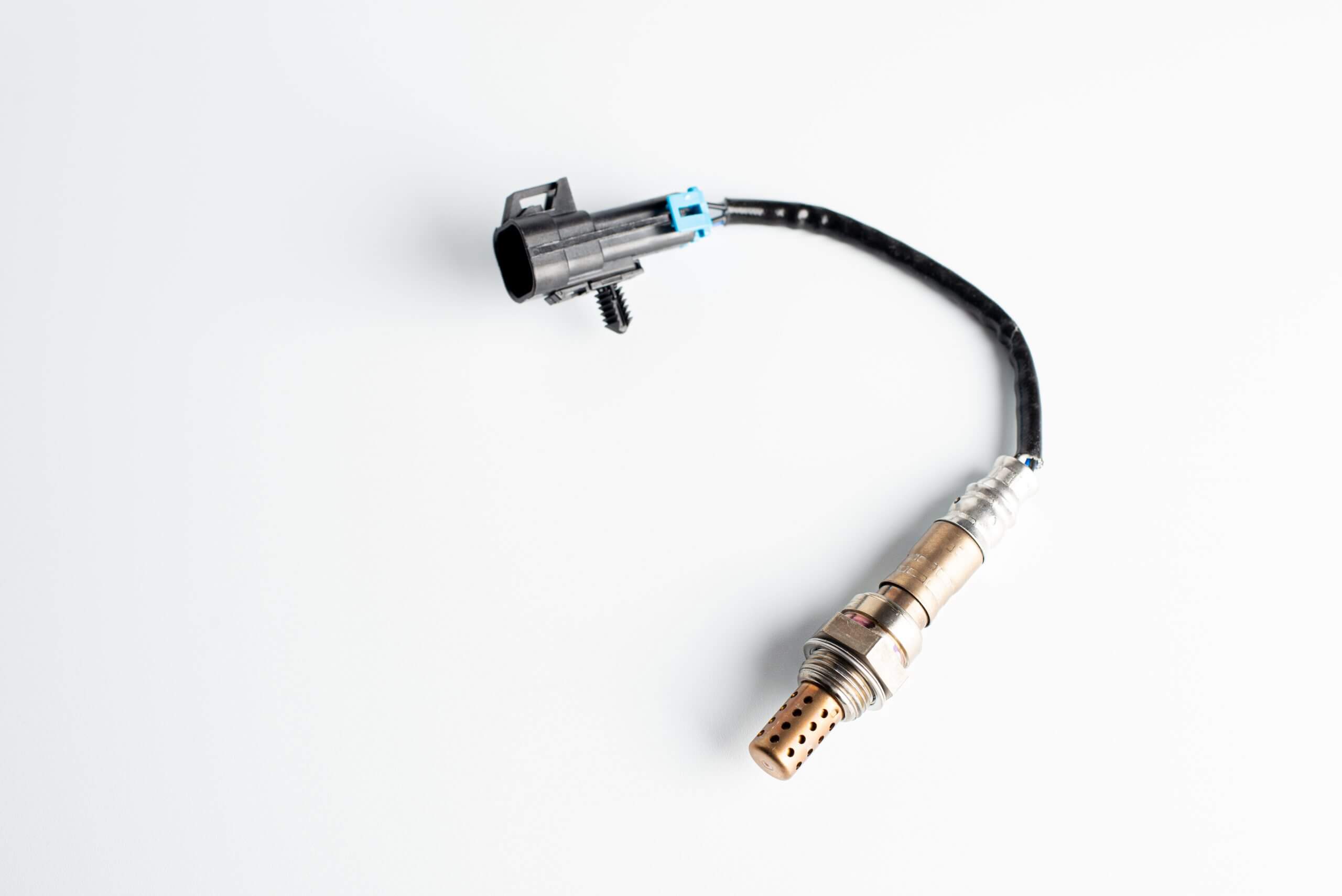
Oxygen sensors play a crucial role in an engine’s fuel management system. These vital devices (most cars have more than one) measure the amount of oxygen in the exhaust gases and send this information to the engine control module (ECM) or powertrain control module (PCM). This data is used to adjust the fuel mixture and manage emissions. For this to happen, the sensor has to reach the correct temperature after a cold start, a process accelerated by an integrated heater circuit in the oxygen sensor.
Diagnostic trouble code (DTC) P0161: Oxygen O2 Sensor Heater Circuit Malfunction (Bank 2, Sensor 2) occurs when the ECM/PCM detects a problem with the heater circuit. In particular, this DTC points to Sensor 2, the downstream sensor located after the catalytic converter (Sensor 1 is the upstream unit between the engine and the catalytic converter). Bank 2 refers to the side of the engine opposite to the side with Cylinder 1.
There are several codes adjacent to P0161:
- P0135: Sensor Heater Circuit Bank 1, Sensor 1
- P0141: Sensor Heater Circuit Bank 1, Sensor 2
- P0155: Sensor Heater Circuit Bank 2, Sensor 1
A P0161 code should be considered a moderately severe problem. Driving for a week or two with this condition is unlikely to make matters worse. However, repair delays beyond this time frame risk damage to the catalytic converter and internal engine components. In the meantime, you may encounter reduced fuel economy, increased emissions, or less-than-ideal engine performance. If the engine hesitates or stalls, the problem becomes more serious as these conditions make driving hazardous. In this case, call a tow truck.
Keep reading to learn all about P0161 codes. We cover common symptoms, typical repairs, and the vehicles most likely to have these problems.
Possible Causes of P0161 & Their Repair Costs
A bad oxygen sensor is the usual reason for a P0161 code, but there are others. Knowing all the possibilities will help you be better informed when it comes time for repair.
Check out the FIXD article on the most common causes of check engine lights.
Here’s an overview of the parts and systems that can cause a P0161 code and their average repair costs. Actual prices can depend on the vehicle and location.
P0161 Code Triggers & Typical Repair Costs
| Part To Repair | Part / DIY Price | Mechanic Total Cost |
| Oxygen Sensor | $300–$333 | $362–$412 |
| Damaged Wiring (oxygen sensor harness) | $25–$100 | $100–$350 |
| Fuse | $1–$5 | $26–$45 |
| Exhaust: Repair Leak (welding) | N/A | $100–$200 |
| Coolant Temperature Sensor | $306–$325 | $400–$443 |
| Engine Control Module/Powertrain Control Module | $929–$978 | $1,006–$1,075 |
Let’s explore how these failed components can cause a P0161 code.
Parts Most Likely to Fail & Cause a P0161 Code
| Parts that can cause P0161 | How it could cause P0161 |
| A malfunction in the circuit can disrupt the sensor’s ability to measure exhaust oxygen levels accurately. This leads to incorrect or missing signals sent to the ECM/PCM, triggering the P0161 code. |
| A blown fuse interrupts the power supply to the sensor heater circuit. Without proper electrical current, the sensor cannot function or communicate with the ECM/PCM, resulting in the P0161 code. |
| An exhaust leak near the sensor introduces excess oxygen, skewing the readings. This unexpected data confuses the ECM/PCM, potentially triggering the P0161 code. |
| A malfunctioning coolant temperature sensor can provide incorrect data to the ECM/PCM. This may cause improper fuel mixture adjustments, indirectly affecting oxygen sensor readings and potentially triggering a P0161 code. |
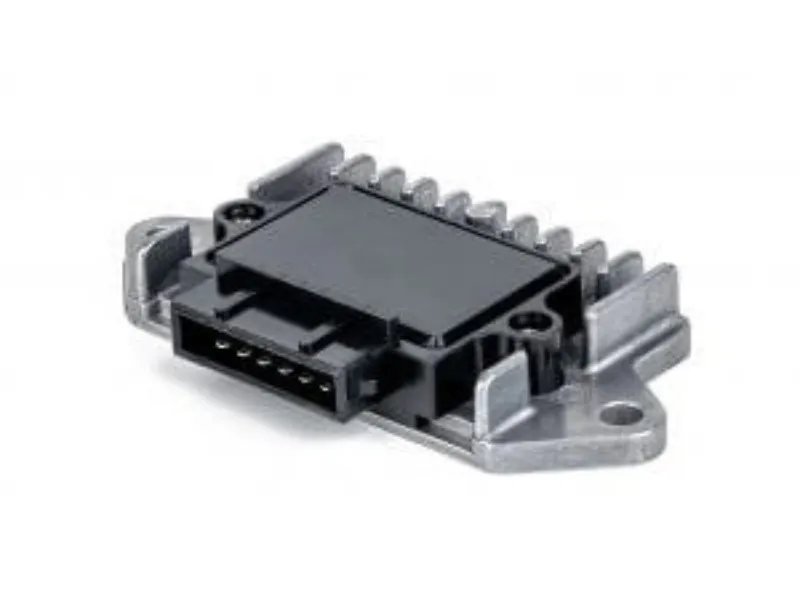
| Although less common, a faulty ECM/PCM may misinterpret or fail to correctly process signals from the oxygen sensor. This can lead to the module erroneously detecting a sensor heater circuit problem and setting the P0161 code despite normal sensor operation. |
Makes Commonly Affected By P0161
While not as pervasive as some DTCs (like P0420), P0161 codes are troubles that affect many makes and models, according to FIXD sensor data.
The research shows that Chevrolets are the most vulnerable, with the venerable Silverado 1500 leading the list. Meanwhile, the sporty Camaro takes second place but at a much lower incident level than Chevy’s flagship pickup. The Traverse rounds out the top three Chevys for P0161 codes.
The Altima leads the Nissan brand for P0161-related problems. It’s the only Nissan with a high occurrence level, while the second-and third-place models (the Pathfinder and Frontier, respectively) are at low rates.
Like Chevy, Ford’s most vulnerable vehicle for P0161 codes is a pickup, the best-selling F-150, followed by a sports car, the Mustang. The compact Escape crossover is the third most likely Ford to experience a P0161 code.
Another truck, the Tundra, gets the dubious honor of being the top Toyota for the code P0161 vulnerability. The RAV4 and Sequoia follow it. GMC rounds out this top-five list, with the Sierra in the lead. The Yukon follows in second, followed by the Acadia.
| Top 5 Makes Affected by P0161 | Most Affected Model(s) |
Chevrolet | Silverado 1500 |
| Camaro | |
| Traverse | |
Nissan | Altima |
| Pathfinder | |
| Frontier | |
Ford | F-150 |
| Mustang | |
| Escape | |
Toyota | Tundra |
| RAV4 | |
| Sequoia | |
Lexus | Sierra |
| Yukon | |
| Acadia |
How to Diagnose the Cause of Your P0161 Code
Diagnosing a check engine light starts with using an OBD-II scanner to identify what’s causing the issue. The FIXD plug-in sensor will show the code and likely causes on your phone via the accompanying FIXD app. You can also try a basic code reader with a cable to plug into the car’s OBD-II port. In truth, there are only a few things a novice DIYer can do to identify what triggered a P0161 code. You’ll want a flashlight, gloves, safety goggles, and a rag to get started. A more involved effort will require essential hand tools.
Safety Essentials
Before exploring the source of a P0161 code, you’ll want to observe the following:
- Park on a level surface in a safe area
- Ensure the car is off and the parking brake is engaged
- Allow the engine to cool
Symptoms of P0161 Causes
There’s more to a P0161 code than a troublesome oxygen sensor. Here are other possible causes to consider.


Symptoms:
- Illuminated check engine light
- Rough idling
- Reduced fuel economy
- Engine stalling or hesitation
- Black exhaust smoke
- Failed emissions test
What to Inspect:
Use the FIXD app or an OBD-II scanner with live data capability to compare sensor performance against expected values. A mechanic or intermediate DIYer can visually inspect the sensor for signs of damage or contamination. A voltmeter test can also check the sensor’s condition.
Symptoms:
- Illuminated check engine light
- Rough idling
- Reduced fuel economy
- Engine stalling or hesitation
- Black exhaust smoke
- Failed emissions test
What to Inspect:
A mechanic or experienced DIYer can visually inspect the harness for visible damage, such as cuts, frays, or melted areas. A multimeter can check for continuity between the sensor connector and the engine control module connector, which can reveal breaks or short circuits in the wiring.
Symptoms:
- Illuminated check engine light
- No power to the oxygen sensor
What to Inspect:
Check the vehicle’s fuse box diagram to locate the fuse for the oxygen sensor circuit. Then, visually inspect the fuse or use a multimeter set to continuity mode to test whether it’s blown.
Symptoms:
- Illuminated check engine light
- Reduced fuel economy
- Engine hesitation
- Unusual engine noise
- Burning smell or unusual odor
- Gas pedal vibration
What to Inspect:
Check for cracks or damage to the exhaust components. Look for an accumulation of black soot along any suspected trouble areas. Pay attention to any exhaust fumes or gasoline odor in the engine bay or the passenger compartment (fumes in the cabin are serious due to the potential for carbon monoxide poisoning). Consult a technician trained to work with exhaust systems if a problem is suspected.
Symptoms:
- Illuminated check engine light
- Rough idling
- Reduced fuel economy
What to Inspect:
Check the engine coolant temperature reading via the FIXD app or an OBD-II scanner and compare it to the actual engine temperature. Alternatively, use an infrared thermometer to measure engine temperature and compare it to the gauge reading for discrepancies.
An intermediate DIYer or a technician can also use a multimeter to measure the sensor’s resistance at different temperatures and compare the readings to the manufacturer’s specifications.
Symptoms:
- Check engine light
- Slow engine warm-up
- Lack of cabin heat
- Temperature gauge reading low
- Engine running cooler
- Fluctuating temperature readings
- Reduced fuel economy
- Engine performance issue
- Difficulty starting the engine
- Incorrect idle speed
- Transmission shifting issues
- Multiple, seemingly unrelated error codes
What to Inspect:
Diagnosing a faulty engine control module is challenging for a novice DIYer. The simplest approach is to use the FIXD app or an OBD-II scanner to check for multiple unrelated error codes or inconsistent sensor readings across different systems, which may indicate ECM/PCM issues. However, a more comprehensive investigation requires high-level skills and advanced diagnostic equipment.
Can I drive with a P0161 code?
Quick answer: Yes, driving with a P0161 code is acceptable for a short period. Don’t delay repairs beyond a week or two.
In most cases, you can drive for a week or two after the first P0161-related check engine light appears. Your car will be less fuel efficient and produce more emissions, but limited driving should be okay (don’t plan on taking any road trips until the problem is corrected). Delaying repairs is unwise, as there’s a risk of damage to the catalytic converter. In a worst-case scenario, the piston rings and cylinder walls can experience additional wear, eventually leading to expensive engine repairs.
That said, stop driving if the car hesitates or stalls. These conditions can create unsafe situations, especially on highways or at intersections. In this case, calling a tow truck is a far safer option.
Here’s a more detailed look at driveability with a P0161 code.
| Causes | Can I Drive? | Risks / Safety / Performance |
|---|---|---|
|
Faulty Oxygen Sensor/Defective Oxygen Sensor Harness |
You can drive with a P0161 code for a short time, but it’s best to fix it soon. Stop driving if engine performance drops, as this could be dangerous. |
Driving with a faulty oxygen sensor or defective sensor wiring reduces fuel efficiency and increases emissions. If not addressed, the problem can lead to engine issues and damage to other components. |
|
Damaged Fuse |
You can drive with a P0161 code for a short time, but it’s best to fix it soon. Stop driving if engine performance drops, as this could be dangerous. |
A blown fuse makes the oxygen sensor inoperable, lowering fuel economy and increasing emissions. Other components (such as the catalytic converter) may also be damaged. |
|
Exhaust Leak |
You can drive with a P0161 code for a short time, but it’s best to fix it soon. Stop driving if engine performance drops, as this could be dangerous. |
An exhaust leak can harm engine performance and increase pollution. It’s also risky because it might let harmful fumes into the cabin. |
|
Malfunctioning Coolant Temperature Sensor |
You can drive with a P0161 code for a short time, but it’s best to fix it soon. Stop driving if engine performance drops, as this could be dangerous. |
A bad coolant temperature sensor can disrupt a car’s emissions control system and reduce fuel efficiency. Drivers may experience cold-start issues, and critical engine components may be damaged. |
|
Defective Engine Control Module / Powertrain Control Module |
You can drive with a P0161 code for a short time, but it’s best to fix it soon. Stop driving if engine performance drops, as this could be dangerous. |
A malfunctioning ECM/PCM can misread oxygen sensor heater data, affecting sensor operation and leading to increased emissions control and reduced fuel efficiency. This issue may damage critical engine components and generate additional DTCs if left unaddressed. |
DIY | How To Fix P0161 Causes
Beyond visual inspections and basic diagnostics, a beginner DIYer can’t do much to correct a P0161 code. However, if applicable, replacing a blown fuse is within most people’s capabilities.
Possible Cause: Damaged Fuse
What is it?
Most cars rely on a fuse to control the electrical current used by an oxygen sensor. A blown fuse shuts down the sensor’s operation. If your vehicle doesn’t have a dedicated fuse for the oxygen sensor, skip this step and consult a mechanic.
How hard is it to fix?
Difficulty Level: Easy
Replacing a fuse is a fundamental task that every car owner should know how to do. The biggest challenge is locating the problem fuse. Rather than pull and inspect each of dozens of fuses, you’ll want to research which fuse to zero in on.
First, shut off the car and locate the fuse box, which may be under the dashboard or in the engine compartment (or both). There may be a diagram on the fuse box lid, but you’ll likely have to review the owner’s manual or check online for a more detailed breakdown. Identify which fuse (or fuses) serves the oxygen (O2) sensor, which may be labeled differently (GM often uses the lambda sensor name).
Once the fuse has been identified, gently pull the suspected fuse from the box. Use a fuse puller to avoid damaging any components. A fuse puller looks like oversized tweezers and is often included with the car (look in or around the fuse box). Otherwise, this simple tool can be purchased online or at an auto supply store for a few dollars.
Carefully inspect the suspect fuse for a broken or burnt metal strip inside the plastic housing. Replace a damaged fuse with one of the exact same amperage (usually 10 to 30 amps). Consult a mechanic if the fuse requires repeated replacement. This is an indicator of other problems.
Cost of Repairs
On average, a new oxygen sensor fuse costs $1– $5. Tools are separate.
Other DIY Considerations for Code P0161
The dividing line between beginner and more advanced DIYer repairs is often whether the car needs to be elevated for access. Novices may not have the proper equipment or know how to jack up a car safely. However, this is required to replace an oxygen sensor or sensor harness or repair an exhaust leak.
While replacing a temperature coolant sensor or engine control module doesn’t usually mean crawling under a car, it requires skill and an experienced touch. Add all these factors, and almost all P0161-related repairs are best handled by an experienced DIYer or a professional mechanic. Every amateur must recognize their limits to avoid injury or making matters worse.
Before dealing with any code P0161-related repair, check whether your car is under warranty. You can save money by letting the automaker handle the work. In addition, research if there are any technical service bulletins (TSBs) for your car. TSBs are official repair/correction notices issued by the manufacturer that cover specific problem areas. You can explore this online or contact a dealer.
P0161 Code FAQs
What makes and models does code P0161 affect the most?
Here’s a breakdown of the vehicles most affected by code P0161, according to FIXD sensor data collected in 2023.
| Make | Model | Occurrence Frequency |
| Chevrolet | Silverado 1500 | High |
| Ford | F-150 | High |
| Ford | Mustang | High |
| Nissan | Altima | High |
| Buick | Enclave | Medium |
| Cadillac | CTS | Medium |
| Cadillac | Escalade | Medium |
| Chevrolet | Camaro | Medium |
| GMC | Sierra | Medium |
| GMC | Yukon | Medium |
| Mercury | Mountaineer | Medium |
| Toyota | Tundra | Medium |
Which vehicle is more likely to get a P0161 code, Chevy or Ford?
FIXD sensor data shows that Chevrolets have the highest incidence rate for P0161 codes. Ford sits in third place for these problems, behind Nissan. Among Chevys, the Silverado 1500 has the greatest number of P0161 occurrences. The F-150 is Ford’s top vehicle for this DTC.
What causes code P0161?
Code P0161 is usually triggered by issues with the oxygen sensor heater circuit on Bank 2, Sensor 2. Common causes include a faulty oxygen sensor, a damaged sensor wiring harness, a defective fuse, an exhaust leak, or a malfunctioning engine control module/powertrain control module.
How long can you drive with a P0161 code?
While you can drive briefly with a P0161 code, continuing driving beyond a week or two isn’t recommended. Prolonged driving with this issue can lead to decreased fuel efficiency, increased emissions, and potential damage to the catalytic converter or other engine components.
How can I prevent P0161 from occurring?
Regular maintenance of your car’s exhaust and emissions systems can minimize the chance of P0161 occurring. However, there’s no way to completely prevent P0161-related check engine lights. Routine inspections of oxygen sensors, wiring harnesses, and exhaust components can help, along with following the vehicle’s recommended service schedule.
References:
Repair-cost estimates, repairpal.com (various dates). Retrieved September 10, 2024, from repairpal.com.

Dave Goldberg is an automotive journalist and lifelong car fanatic. He writes for numerous enthusiast and business outlets and is an ongoing contributor to HotCars.com, one of the most popular car culture websites. When he’s not writing or driving, Dave is either under a hood or asleep. His credentials include a BA in Journalism from The George Washington University.