


| Table of Contents | |
| Possible Causes of P0305 & Their Repair Costs | Your vehicle’s engine control module (ECM) or powertrain control module (PCM) has detected that cylinder #5 isn’t firing correctly, potentially causing engine performance issues. |
| How to Diagnose the Cause of Your P0305 Code | A misfire in cylinder #5 can stem from many different sources. Common causes include worn spark plugs, damaged spark plug wires, or failing ignition coils. Other issues include dirty fuel injectors, a vacuum leak, or defective sensors. |
| Can I drive with a P0305 code? | No. If left unfixed, a cylinder #5 misfire will damage your engine and catalytic converter. There’s also a risk of unsafe driving conditions since your vehicle may suddenly lose power or stall. |
| DIY | How To Fix P0305 Causes |
DIYable P0305 triggers include:
|
| P0305 Code FAQs |
Frequently asked questions:
|
An uninformed car owner may not think twice about an engine misfire. However, it’s a severe condition that warrants prompt attention to avoid internal engine damage and other expensive repairs.
Simply put, a misfire occurs when the normal combustion timing cycle is out of sync. The engine control module (ECM) or powertrain control module (PCM) detects this imbalance and generates a check engine light and a corresponding diagnostic trouble code (DTC).
A family of misfire-related DTCs, starting with P0300, signals a general misfire condition involving more than one engine cylinder. This article covers code P0305, a misfire with cylinder #5. Other adjacent codes include P0301, P0302, P0303, P0304, and P0306, and can range up to P0312, with the last digit indicating the problem cylinder.
If you drive a car with a three- or four-cylinder engine, you don’t have to worry about a P0305 code as these powerplants don’t have a fifth cylinder. However, this DTC is critical if your vehicle has a five-, six-, or eight-cylinder or larger engine.
Every misfire code, including P0305, should be treated seriously. You’ll need to find a safe parking place, turn off the car, and contact a tow truck. Continuing to drive, even for a short distance, can cause catastrophic engine failure. The problem may ultimately turn out to be minor, like a bad spark plug or vacuum line leak. Yet why risk a wallet-draining repair against the cost of a tow?
When dealing with misfire issues, safety must also be considered. Under these conditions, the car can hesitate or stall, which can be hazardous on the highway or while turning at an intersection. It’s always wise to play it safe by not driving with a P0305 code.
Explore further as we detail common P0305 code symptoms and causes while highlighting typical repairs. In addition, you’ll be able to learn which vehicles will most likely experience this problem.
Possible Causes of P0305 & Their Repair Costs
Even if your approach is to contact a mechanic for all car servicing, knowing possible repairs and their costs for P0305-related work can reduce stress and worry.
Check out the FIXD article on the most common causes of check engine lights.
Here’s an overview of the most likely parts and systems that can cause a P0305 code and their average repair costs. Actual prices can depend on the vehicle and location.
P0305 Code Triggers & Typical Repair Costs
| Part To Repair | Part / DIY Price | Mechanic Total Cost |
| Spark Plugs | $83–$112 | $212–$276 |
| Spark Plug Wires | $66–$84 | $208–$256 |
| Camshaft Position Sensor | $75–$95 | $176–$227 |
| Crankshaft Position Sensor | $96–$121 | $168–$224 |
| Vacuum Line | $50–$100 | $200–$300 |
| Ignition Coil | $161–$230 | $213–$295 |
| Fuel Pressure Regulator | $165–$195 | $266–$322 |
| Oxygen Sensor | $300–$333 | $362–$412 |
| Fuel Injector | $450–$541 | $644–$784 |
| Fuel Pump | $916–$1,042 | $166–$209 |
| Head Gasket | $815–$833 | $1,100–$1,387 |
| Catalytic Converter | $2,188–$2,284 | $2,342–$2,479 |
Here’s how different malfunctioning parts can trigger a P0305 code.
Parts Most Likely to Fail & Cause a P0305 Code
| Parts that can cause P0305 | How it could cause P0305 |
|
Spark Plugs Spark Plug Wires |
A faulty spark plug or damaged wire prevents proper ignition of the air-fuel mixture in cylinder #5, leading to incomplete combustion and triggering the misfire code. |
| Ignition Coil | A failing ignition coil on cylinder #5 cannot generate sufficient electrical voltage to create the spark needed for proper combustion, causing the cylinder to misfire. |
|
Camshaft Position Sensor Crankshaft Position Sensor Fuel Pressure Regulator |
A malfunction in any of these critical engine sensors or regulators can disrupt the precise timing and delivery of fuel and spark to cylinder #5, resulting in improper combustion and triggering the misfire code. |
|
Vacuum Line Fuel Injector Oxygen Sensor |
A leak, clog, or malfunction in these components can create improper air-fuel ratios in cylinder #5, causing incomplete combustion and setting the misfire code. |
| Fuel Pump | A weak or failing fuel pump cannot maintain consistent fuel pressure to cylinder #5, resulting in lean (insufficient fuel or too much air) conditions and cylinder misfire. |
| Head Gasket | A blown head gasket around cylinder #5 can cause compression loss, coolant intrusion, or pressure leaks that create cylinder misfires. |
| Catalytic Converter | A severely clogged catalytic converter creates excessive backpressure, preventing proper exhaust flow from cylinder #5 and causing incomplete combustion and misfire conditions. |
Makes Commonly Affected By P0305
FIXD sensor data shows that P0305 is an equal-opportunity diagnostic trouble code affecting mainstream brands and luxury models alike. Trucks and SUVs are just as likely to be impacted as sedans and minivans.
One thing you won’t see on this list of commonly affected makes is vehicles powered only by four-cylinder engines. The Toyota Corolla and Nissan Sentra are two examples. These powerplants don’t have a fifth cylinder, so P0305 codes aren’t applicable.
Yet, there are plenty of vehicles with a history of P0305 codes. The Chevrolet Silverado 1500, the number one vehicle for code P0305 incidents, stands atop this roster. The Traverse and Camaro complete the Bow Tie brand trio for these problems.
The venerable Altima has a similar status for Nissan, but it’s the only model from this automaker with high overall occurrence levels of P0305 codes. The runners-up, the Xterra and Frontier, have low incident ratings for this DTC.
Notably, the Ford F-150 has no history of P0305 codes, but the same can’t be said for other Blue Oval products. The Ranger is the worst offender, followed by the Taurus and Mustang. Meanwhile, Audi has only one entry, the A4, the company’s best-selling sedan.
Toyota closes out the top five most P0305-impacted brands. The company’s three entries, the Sienna, Tundra, and Avalon, all have medium occurrence levels for this DTC.
| Top 5 Makes Affected by P0305 | Most Affected Model(s) |
Chevrolet |
Silverado 1500 |
| Traverse | |
| Camaro | |
| Nissan |
Altima |
| Xterra | |
| Frontier | |
Ford |
Ranger |
| Taurus | |
| Mustang | |
| Audi | A4 |
Toyota |
Sienna |
| Tundra | |
| Avalon |
How to Diagnose the Cause of Your P0305 Code
Discovering the reason behind a check engine light requires an OBD-II scanner. Your options include the FIXD plug-in sensor and accompanying app that shows the diagnostic trouble code and common causes behind the problem. Alternatively, a basic code reader that plugs into your car’s OBD-II port will also work, but these devices only show the code, not the underlying issue that triggered the code.
Basic diagnostics for a P0305 code primarily involve visual inspections (see Symptoms of P0305 Causes below), which most novice DIYers can handle. Potential repairs involving complex components such as the catalytic converter are better suited to a professional. If you venture into the engine bay, follow these essential safety steps.
- Have the right tools for a basic inspection: a flashlight, gloves, safety goggles, and a rag. Hand tools may be necessary for more detailed work.
- Park on a safe, level surface.
- Turn the car off and engage the parking brake.
- Allow the engine to cool.
Symptoms of P0305 Causes
The initial phase of diagnosing a P0305-related problem starts with identifying the location of cylinder #5. This is vital so you can focus on the likely trouble spots. For instance, targeting just the spark plug for cylinder #5 instead of all the spark plugs saves time and effort.
In V-style engines, cylinder #5 is typically located past the midpoint of either the driver’s or passenger’s side bank, depending on the manufacturer. For straight-six/inline-six engines, it’s simply the fifth cylinder counting from the front.
Most automakers follow a consistent pattern for cylinder numbering, though each has its unique layout (which can vary between engines from the same company). Since #5 is a higher-numbered cylinder, it’s often positioned toward the rear of the engine or firewall side. The best approach is to start by identifying cylinder #1, then follow your specific vehicle’s firing order diagram or service manual to locate #5, as locations vary significantly between manufacturers and engine designs.
Dealing with a misfire is often best left to an advanced amateur or professional mechanic. However, there are essential inspection steps a beginner DIYer can take when dealing with a P0305 code.

Symptoms:
- Illuminated check engine light
- Rough idling
- Reduced fuel economy
- Engine stalling or hesitation
What to Inspect:
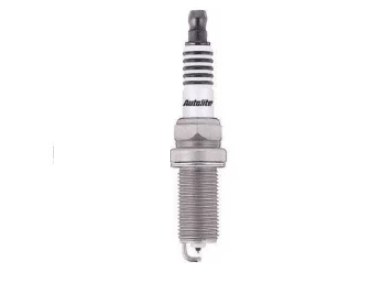
You’ll need a spark plug socket and extension.
Remove the plug (engine must be cool) and examine closely for:
- Black, sooty deposits indicate a rich fuel mixture
- White/gray chalky buildup suggests the engine is running hot
- Damaged, worn, or abnormally gapped electrodes
Pro Tip: Compare with a new plug of the same type—the differences can be striking. Take photos before removal to ensure proper wire/coil orientation.
Symptoms:
- Illuminated check engine light
- Rough idling
- Reduced fuel economy
- Engine stalling or hesitation
What to Inspect:
While a damaged wire is often visible, be thorough in your inspection. Carefully trace the entire wire length, feeling for:
- Cracking or brittleness in the insulation
- Places where the wire may contact metal
- Loose or corroded connections at both ends
Remember: Always grip the boot (never the wire) when disconnecting.
Pro Tip: A quick nighttime check with the engine running may reveal blue arcing from damaged spots, but maintain a safe distance from moving parts.
Symptoms:
- Illuminated check engine light
- Rough idling
- Reduced fuel economy
- Engine stalling or hesitation
What to Inspect:
The coil swap test is your best DIY option. First, perform a visual inspection for:
- Oil contamination around the coil base
- Cracks in the housing
- Corroded electrical connections
For the swap test:
- Select a known-good cylinder’s coil to exchange with cylinder #5
- If the misfire follows the suspect coil to its new location, you’ve identified the culprit
Safety Note: Never remove/install coils while the engine is running. Wait for the engine to cool before handling.
Symptoms:
- Illuminated check engine light
- Rough idling
- Reduced fuel economy
- Engine stalling or hesitation
What to Inspect:
While you can check sensor basics, diagnosis often requires professional equipment:
- Locate the sensor using your vehicle’s manual
- Check for secure mounting and clean connections
- Look for damaged wiring or signs of oil contamination
Consider this a preliminary check – sensor timing issues require professional diagnosis.
Symptoms:
- Illuminated check engine light
- Rough idling
- Reduced fuel economy
- Engine stalling or hesitation
- Fuel leak/smell
- Black exhaust smoke
- Backfiring
- Hard-to-start engine
What to Inspect:
Key signs you can check for:
- Strong fuel smell under the hood (particularly when hot)
- Engine stumbles during acceleration
- Black smoke from the exhaust
Safety Warning: Leave pressure testing to professionals—fuel system diagnostics require specialized tools and safety precautions.
Symptoms:
- Illuminated check engine light
- Higher-than-normal engine RPMs at idle
- Rough engine idle
- Engine sputtering or stalling
- Hard-to-start engine
- Abrupt transmission shifts at high RPMs
What to Inspect:
DIY methods for locating vacuum leaks include:
- Inspecting vacuum lines for apparent damage or wear
- Listening for distinct hissing sounds with the engine at idle
- Spraying soapy water on connections with any bubbles revealing leaks
Pro Tip: A mechanic can use a professional-level smoke machine for a more comprehensive examination.
Symptoms:
- Illuminated check engine light
- Rough idling
- Engine stalling or hesitation
- Fuel leak/smell
- Black exhaust smoke
What to Inspect:
Caution: These tests involve a running engine—always maintain a safe distance from moving parts.
- Perform a listening test with a long screwdriver:
- Place tip on injector body (avoid wires/fuel lines)
- Put handle end to ear
- A healthy injector should click rapidly and evenly about 2-3 times per second at idle speed.
Advanced DIYers can try:
- Unplugging injector #5 carefully while the engine idles
- No change in engine function or sound indicates a non-functioning injector.
Warning: Never spray flammable solvents around a hot engine.
Symptoms:
- Illuminated check engine light
- Rough idling
- Reduced fuel economy
- Engine stalling or hesitation
- Black exhaust smoke
- Failed emissions test
What to Inspect:
Basic checks include:
- Inspecting the wiring for damage/melting
- Verifying connector integrity
- Looking for exhaust leaks near the sensor
Leave actual sensor testing to professionals with proper diagnostic equipment and experience interpreting the data.
Symptoms:
- Illuminated check engine light
- Rough idling
- Reduced fuel economy
- Engine stalling or hesitation
- Hard-to-start engine
- Whirring noise from the fuel tank area
- Overheating
What to Inspect:
Listen for proper operation:
- Turn the key to “ON” (not start), and a 2-3 second whirring sound should be audible
- Have a helper crank engine while you listen at the fuel tank
Warning signs include:
- Hesitation during acceleration
- Fluctuating idle speed
- Hard starting with extended cranking
Note: Professional pressure/volume testing is essential for a comprehensive diagnosis.
Symptoms:
- Illuminated check engine light
- Rough idling
- Engine stalling or hesitation
- Overheating
- White or gray exhaust smoke
- Milky oil
- Coolant loss
What to Inspect:
Initial testing includes:
- Checking the coolant for oil contamination
- Looking for white exhaust smoke
- Watching for unexplained coolant loss
DIYers can use a chemical block test kit, but compression testing by a professional will provide definitive results.
Symptoms:
- Illuminated check engine light
- Rough idling
- Reduced fuel economy
- Engine stalling or hesitation
- Failed emissions test
- Rattling noise
- Sulfur smell
What to Inspect:
Look for:
- Rotten egg smell from exhaust
- Loss of power, especially under load
- Rattling sounds underneath
A professional diagnosis is essential—emission system problems require expert knowledge and specialized equipment.
Can I drive with Code P0305?
Quick answer: No. Driving with a P0305 code isn’t advisable.
Operating a car with a misfire risks severe engine damage and can create a hazardous driving situation due to hesitating or stalling. In addition, continued driving with this condition allows unburnt fuel to enter the catalytic converter, causing damage to this expensive component.
Here’s a more detailed look at driveability with a P0305 code.
| Causes | Can I Drive? | Risks / Safety / Performance |
|---|---|---|
|
Defective Spark Plug |
No. Driving with a P0305 code risks engine damage and hazardous driving conditions. |
A fouled or damaged plug can worsen over time, leading to engine damage and reduced fuel economy. |
|
Damaged Spark Plug Wire |
No. Driving with a P0305 code risks engine damage and hazardous driving conditions. |
Damaged wiring can create dangerous arcing that may ignite fuel vapors or cause electrical system damage. |
|
Bad Ignition Coil |
No. Driving with a P0305 code risks engine damage and hazardous driving conditions. |
A failing coil can leave unburned fuel in the exhaust, damaging the catalytic converter and potentially damaging the engine. |
|
Faulty Camshaft or Crankshaft Position Sensor |
No. Driving with a P0305 code risks engine damage and hazardous driving conditions. |
Failed position sensors can cause sudden stalling, rough running, and potential engine damage from improper timing. |
|
Defective Fuel Pressure Regulator |
No. Driving with a P0305 code risks engine damage and hazardous driving conditions. |
Inconsistent fuel pressure can cause poor performance, stalling, and potential catalytic converter damage from unburned fuel. |
|
Vacuum Leak |
No. Driving with a P0305 code risks engine damage and hazardous driving conditions. |
Air leaks can cause a lean condition, leading to overheating and potential valve or piston damage. |
|
Bad Fuel Injector |
No. Driving with a P0305 code risks engine damage and hazardous driving conditions. |
A bad injector creates a poor fuel mixture that can overheat valves and damage the catalytic converter. |
|
Faulty Oxygen Sensor |
No. Driving with a P0305 code risks engine damage and hazardous driving conditions. |
While a bad O2 sensor mainly affects emissions and fuel economy, prolonged driving can lead to catalytic converter failure. |
|
Defective Fuel Pump |
No. Driving with a P0305 code risks engine damage and hazardous driving conditions. |
A failing fuel pump can cause sudden stalling, especially at highway speeds, creating dangerous driving conditions. |
|
Leaking Head Gasket |
No. Driving with a P0305 code risks engine damage and hazardous driving conditions. |
Continuing to drive with a blown head gasket can result in severe engine damage from coolant contamination and overheating. |
|
Malfunctioning Catalytic Converter |
No. Driving with a P0305 code risks engine damage and hazardous driving conditions. |
A clogged converter creates dangerous exhaust backpressure that can crack the manifold or cause engine failure. |
DIY | How To Fix P0305 Causes
While a professional technician is the best solution for many P0305-related repairs, there are some areas that a moderately skilled DIYer can attempt. That said, working only on projects you’re comfortable handling is vital. Know your limits to avoid causing more damage or getting injured.
Possible Cause: Defective Spark Plug
What is it?
A bad spark plug prevents proper combustion in the cylinder and is one of the most common causes of cylinder #5 misfires.
How hard is it to fix?
Difficulty Level: Easy/Moderate
Replacing spark plugs is relatively simple. Arguably, accessing the spark plugs, particularly on some transverse-mounted engines, is a greater challenge. Even if one spark plug is the problem, replacing all the plugs is wise so all the cylinders perform equally. For tools, you’ll need a spark plug socket, a ratchet handle, a torque wrench (to prevent overtightening), and possibly a socket extension (depending on spark plug placement). You can purchase spark plugs with a preset gap (the space between the center and ground electrodes) for your car. Otherwise, you’ll need a gap gauge. Spark plug anti-seize lubricant and dielectric grease are also essential. Lastly, a spark plug boot pull (specialized pliers) can make removing the connecting wires easier.
Cost of Repairs
You can expect to pay $83 to $112 for a new set of spark plugs before costs for tools and supplies. Many auto supply stores have tool loaner programs.
Possible Cause: Damaged Spark Plug Wire
What is it?
A damaged or worn spark plug wire can’t correctly deliver the electrical spark needed for combustion, causing the cylinder to misfire.
How hard is it to fix?
Difficulty Level: Easy/Moderate
Swapping out a spark plug wire is easy, like with a spark plug. Similarly, access can be a problem. Use spark plug boot pullers and apply dielectric grease to the terminal of the new plug. It’s best to replace all the spark plug wires. If the wire for cylinder #5 is bad, it’s a safe bet other wires will soon be in the same condition.
Pay attention to the fact that each spark plug wire is different in length. It’s best to work on each wire individually rather than removing them all at once. The replacement wire length should exactly match the original. Wire loom spacers separate spark plug wires to prevent electrical arcing and misfires that can damage engine parts.
Cost of Repairs
For most vehicles, expect to spend between $65-85 for a set of spark plug wires, not including any necessary tools or supplies.
Possible Cause: Vacuum Leak
What is it?
A vacuum leak lets in extra air, disrupting the critical air-fuel balance needed for proper combustion and causing the engine to run rough and misfire. Sometimes, this condition can affect cylinder #5.
How hard is it to fix?
Difficulty Level: Moderate
Vacuum leaks are rather straightforward, assuming you can locate the trouble. Spraying soapy water (covered earlier) is a starting step, but more advanced techniques, such as using a smoke machine, are best handled by an advanced amateur or a professional technician. Plus, buying a smoke machine you’ll probably never use again might not be practical. DIY repairs for an easily accessible and damaged line are undoubtedly possible. See a mechanic if the leak is traced to more complex components, such as the intake manifold or a gasket.
Cost of Repairs
A new vacuum line typically costs between $50-150, depending on the vehicle model.
Other DIY Considerations for Code P0305
A more advanced amateur can tackle more than the projects mentioned above. Replacing an oxygen sensor or fuel pump isn’t overly complex but requires a specific skill set and the right equipment.
Before dealing with any code P0305-related repair, check whether your car is under warranty. You can save money by letting the automaker handle the work. In addition, research if there are any technical service bulletins (TSBs) for your car. TSBs are official repair/correction notices issued by the manufacturer that cover specific problem areas. You can research this online or contact a dealer.
P0305 Code FAQs
What makes and models does code P0305 affect the most?
Here’s a breakdown of the vehicles most affected by code P0305, according to FIXD sensor data collected in 2023.
| Make | Model | Occurrence Frequency |
| Audi | A4 | High |
| Chevrolet | Silverado 1500 | High |
| Ford | Ranger | High |
| GMC | Acadia | High |
| Nissan | Altima | High |
| Acura | MDX | Medium |
| Chevrolet | Traverse | Medium |
| Chevrolet | Camaro | Medium |
| Ford | Taurus | Medium |
| Ford | Mustang | Medium |
| Ford | Expedition | Medium |
| Ford | Escape | Medium |
| GMC | Sierra | Medium |
| Honda | Pilot | Medium |
| Jeep | Grand Cherokee | Medium |
| Jeep | Wrangler | Medium |
| Jeep | Liberty | Medium |
| Ram | 1500 | Medium |
| Toyota | Sienna | Medium |
| Toyota | Tundra | Medium |
| Toyota | Avalon | Medium |
What are the most common causes of a P0305 Ford misfire code?
In P0305 Ford cases, the typical issues are a faulty ignition coil, worn spark plug, or cracked spark plug wire. Less frequently, the problem can stem from a vacuum leak or fuel delivery issue.
What happens with a cylinder 5 misfire?
A cylinder 5 misfire means that this cylinder isn’t producing power properly. You’ll likely notice rough running (especially at idle), reduced power during acceleration, vibration that gets worse under load, and poor fuel efficiency. The check engine light may flash when the misfire is happening. While the car will still run with a misfire, it’s best not to drive to avoid significant engine damage or risk unsafe conditions due to hesitation or stalling.
References:
Repair-cost estimates, repairpal.com (various dates). December 2, 2024, from repairpal.com.

Dave Goldberg is an automotive journalist and lifelong car fanatic. He writes for numerous enthusiast and business outlets and is an ongoing contributor to HotCars.com, one of the most popular car culture websites. When he’s not writing or driving, Dave is either under a hood or asleep. His credentials include a BA in Journalism from The George Washington University.