


| Table of Contents | |
| Possible Causes of P0172 & Their Repair Costs | Code P0172 indicates that the Bank 1 side of the engine is running too rich (not enough air or too much fuel), causing an imbalance in the air-to-fuel ratio. |
| How to Diagnose the Cause of Your P0172 Code | Several issues can trigger a P0172 code, including vacuum leaks, faulty mass airflow sensors, clogged fuel injectors, problematic oxygen sensors, or fuel pressure regulator issues. |
| Can I drive with a P0172 code? | Driving with P0172 is okay in the short term but risky in the long term. Fix the problem very soon to avoid car damage and safety issues. |
| DIY | How To Fix P0172 Causes |
DIYable P0172 triggers include:
|
| P0172 Code FAQs |
Frequently asked questions:
|
A P0172 diagnostic trouble code (DTC): System Rich Lean (Bank 1) indicates that the engine isn’t getting sufficient oxygen or is receiving too much fuel to maintain the ideal air-to-fuel mixture. This ratio is 14.7 parts oxygen to 1 part fuel for most vehicles.
The check engine light is triggered when the engine control module (ECM) or powertrain control module (PCM) detects the imbalance via an oxygen sensor. P0172 is part of a family of P017X codes involving the fuel system. P0175 is similar to P0172 but deals with Engine Bank 2. Codes P0171 (Bank 1) and P0174 (Bank 2) are opposites, indicating lean fuel conditions. Further, DTCs P0170 (Bank 1) and P0173 (Bank 2) are error messages about a fuel trim malfunction (the engine isn’t receiving sufficient fuel).
The specifics of code P0172 signal that the problem involves Engine Bank 1. This is especially convenient from a diagnostic standpoint, as a mechanic may only need to focus on specific components (like oxygen sensors or fuel injectors) that service that part of the engine. However, sometimes, the problem centers around more encompassing systems, such as the mass air flow (MAF) sensor, fuel filter, or fuel pump.
In V6 or V8 engines, Bank 1 usually starts with Cylinder #1. Most car makers put odd-numbered cylinders in one bank and even-numbered in the other. Ford, however, uses sequential numbers.
Inline engines also have two banks. Bank 1 is often the first set of two or three cylinders. Boxer or flat engines in some Subarus and Porsches use a Bank 1 and Bank 2 setup like V-engines.
While code P0172 isn’t the most severe DTC, it requires prompt attention, especially if engine performance drops. Repair work should start within a week. Driving with a P0172 code is okay if the car isn’t hesitating or stalling.
The article continues with everything to know about P072 codes. You’ll learn about typical causes, common symptoms, DIY repairs, and the vehicles most vulnerable to these issues.
Possible Causes of P0172 & Their Repair Costs
While most P0172-related repairs are under $500, some work can involve more expensive components. Fuel injectors aren’t the cheapest part to replace, and a new fuel pump can be particularly pricey.
Check out the FIXD article on the most common causes of check engine lights.
Here’s a breakdown of what you can expect to pay for the different P0172-related fixes, whether you’re doing it yourself or letting a mechanic handle the problem. Prices will vary based on the vehicle and location.
P0172 Code Triggers & Typical Repair Costs
| Part To Repair | Part / DIY Price | Mechanic Total Cost |
| Vacuum Line | $50–$100 | $200–$300 |
| Mass Air Flow (MAF) Sensor: Clean | $20–$40 | $100–$200 |
| Mass Air Flow (MAF) Sensor: Replace | $40–$50 | $239–$346 |
| Exhaust: Repair Leak (welding) | N/A | $100–$200 |
| Fuel Filter | $87–$100 | $175–$211 |
| Fuel Pressure Regulator | $165–$195 | $266–$322 |
| Oxygen Sensor | $300–$333 | $362–$412 |
| Fuel Injector | $450–$541 | $644–$784 |
| Fuel Pump | $923–$1,056 | $1,089–$1,266 |
Here’s how troublesome parts can cause a P0172 code.
Parts Most Likely to Fail & Cause a P0172 Code
| Parts that can cause P0172 | How it could cause P0172 |
|
Vacuum Line MAF Sensor Exhaust Oxygen Sensor |
Provides incorrect data to the engine control module/powertrain control module or allows unmetered air into the system, leading to an overly rich fuel mixture. |
|
Fuel Filter Fuel Pressure Regulator Fuel Injector Fuel Pump |
Allows excess fuel into the combustion chambers or fails to regulate fuel pressure properly, resulting in an overly rich fuel mixture. |
Makes Commonly Affected By P0172
Like other codes in the P017X family, P0172 is common to many vehicles. FIXD sensor data shows a range of makes and models with a history of P0172-related problems.
At the top of the list is the Chevrolet Equinox. It’s joined by the venerable Silverado 1500 pickup and the long-serving but discontinued Impala sedan. All three Chevy’s have high average occurrence ratings with P0172 codes.
Another sedan, the Altima, is the most likely Nissan to have a check engine light due to a code P0172. The Versa and Rogue complete the automaker’s P0172 podium but at much lower levels than the Altima.
Meanwhile, Ford’s eternal best-seller, the F-150, gets tagged as the worst Blue Oval product when it comes to P0172 codes. This truck far surpasses (and not in a good way) its nearest stablemates, the smaller Ranger and the storied Mustang.
The Toyota Tundra continues the trend of P0172-prone trucks, ranking as the worst vehicle from this automaker for this problem. The ever-present Corolla occupies second place, followed by the hyper-popular RAV4.
Proving that luxury cars aren’t exempt from P0172-related problems, the Lexus IS 250 represents the brand’s sole entry on this roster. No other Lexus showed a history with this DTC.
| Top 5 Makes Affected by P0172 | Most Affected Model(s) |
Chevrolet |
Equinox |
| Silverado 1500 | |
| Impala | |
|
Nissan |
Altima |
| Versa | |
| Rogue | |
Ford |
F-150 |
| Ranger | |
| Mustang | |
Toyota |
Tundra |
| Corolla | |
| RAV4 | |
| Lexus | IS 250 |
How to Diagnose the Cause of Your P0172 Code
Diagnosing a check engine light starts with using an OBD-II scanner to identify what’s causing the issue. The FIXD plug-in sensor will show the code and likely causes on your phone via the accompanying FIXD app. You can also try a basic code reader with a cable to plug into the car’s OBD-II port. In truth, there are only a few things a novice DIYer can do to identify what triggered a P0172 code. You’ll want a flashlight, gloves, safety goggles, and a rag to get started. A more involved effort will require essential hand tools.
Safety Essentials
Before exploring the source of a P0172 code, you’ll want to observe the following:
- Park on a level surface in a safe area
- Ensure the car is off and the parking brake is engaged
- Allow the engine to cool
Symptoms of P0172 Causes
Even if you decide to let a professional handle repair for a P0172 code (which is advisable for most troubles, but some DIY tips are covered below), there are initial steps you can take. A preliminary inspection of suspected problem areas makes you more informed at the repair shop and can make the mechanic’s efforts less time-consuming.


Symptoms:
- Illuminated check engine light
- Higher-than-normal engine RPMs at idle
- Rough engine idle
- Engine sputtering or stalling
- Hard-to-start engine
- Abrupt transmission shifts at high RPMs
What to Inspect:
To check for air and vacuum leaks, inspect hoses and lines for visible damage, and listen for hissing sounds while the engine runs.
Spray water on key components—if the engine sputters, you’ve likely found a leak.
Symptoms:
- Hesitation or jerking during acceleration
- Higher-than-normal engine RPMs at idle
- Rough engine idle
- Engine sputtering or stalling
- Hard-to-start engine
- Abrupt transmission shifts at high RPMs
What to Inspect:
Examine the MAF sensor’s wiring for a loose connection, signs of damage, or dirt buildup. If problems persist, a professional mechanic can run additional tests to pinpoint the cause of the P0172 code.
Symptoms:
- lluminated check engine light
- Reduced fuel economy
- Engine hesitation
- Unusual engine noise
- Burning smell or unusual odor
- Gas pedal vibration
What to Inspect:
Check exhaust parts for cracks, damage, or soot accumulation. Pay attention to unusual fumes or gas odors around the engine or inside the car. If you spot problems, seek help from an exhaust specialist to resolve the P0172 code.
Symptoms:
- Illuminated check engine light
- Rough idling
- Reduced fuel economy
- Engine stalling or hesitation
- Black exhaust smoke
- Failed emissions test
What to Inspect:
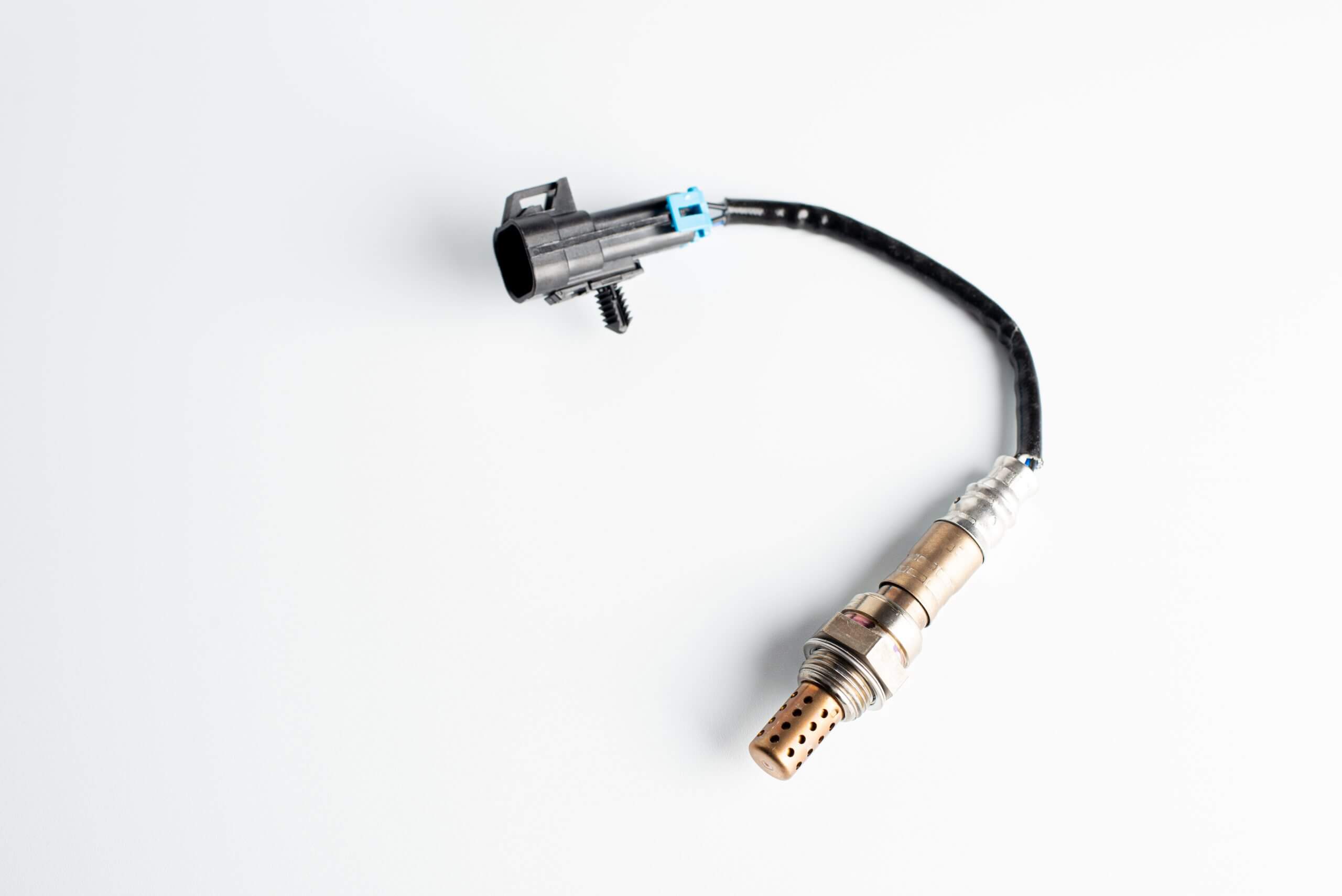
An intermediate DIYer or a technician can use a voltmeter to test the status of an oxygen sensor.
Symptoms:
- Illuminated check engine light
- Reduced fuel economy
- Engine hesitation or stalling
- Engine misfiring
- Reduced acceleration (particularly while under load or ascending a hill)
What to Inspect:
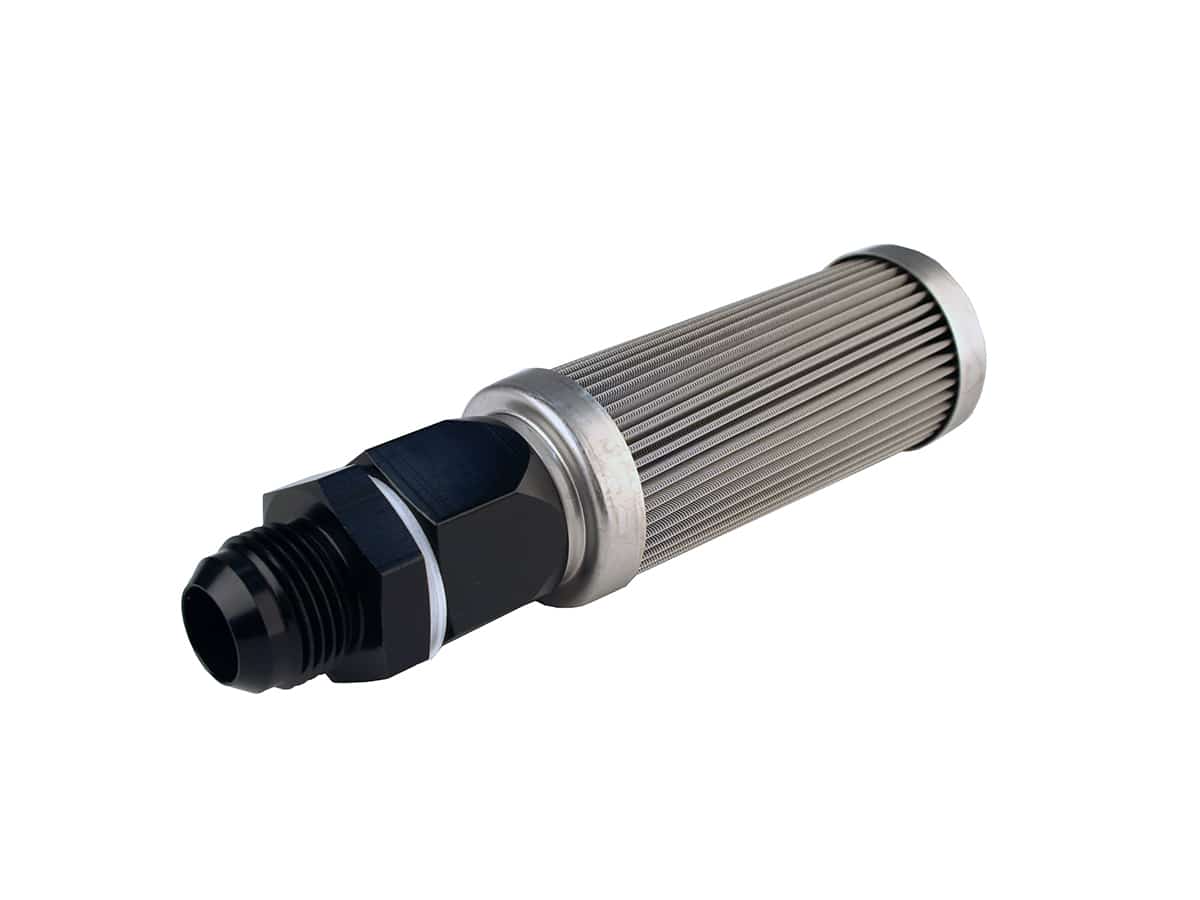
A DIYer with intermediate skills and familiarity with working around gasoline can remove the fuel filter for inspection or replacement. Otherwise, let a mechanic handle the problem.
Symptoms:
- Illuminated check engine light
- Rough idling
- Engine stalling or hesitation
- Black exhaust smoke
- Gas in the regulator vacuum line
- Engine cranks but doesn’t start
What to Inspect:
Requires intermediate DIY skills or a professional mechanic and a fuel pressure tester.
Symptoms:
- Illuminated check engine light
- Rough idling
- Engine stalling or hesitation
- Fuel leak/smell
- Black exhaust smoke
What to Inspect:
Here’s the information broken up into shorter sentences and paragraphs:
To check for a damaged fuel injector, start by locating the Bank 1 injectors. Turn on the engine.
Use a long screwdriver as a makeshift stethoscope. Place its tip on an injector and your ear on the handle. Listen for clicking sounds. Silence might indicate a clogged or faulty injector.
For a more advanced test, carefully disconnect injectors one by one while the engine runs. If the engine sound or RPM doesn’t change when an injector is unplugged, that injector might be faulty.
Note: This last step is best performed by experienced DIYers or professional mechanics. Always observe caution around a running engine.
Symptoms:
- Illuminated check engine light
- Rough idling
- Reduced fuel economy
- Engine stalling or hesitation
- Hard-to-start engine
- Whirring noise from the fuel tank area
- Overheating
What to Inspect:
Requires intermediate DIY skills or a professional mechanic and a fuel pressure tester. Additional electrical testing may be required.
Can I drive with Code P0172?
Quick answer: Yes, driving with a P0172 code for a few days is acceptable, provided engine power does not decline, which can create a hazardous situation. Get the problem fixed in a week.
If you’ve detected a P0172 code but your car continues to operate normally (no hesitation or stalling), use the week ahead to make repair arrangements (and perform the initial inspections outlined above if you’re so inclined). However, work should be immediate if there’s a reduction in engine performance. Such a condition can lead to dangerous driving, especially on the highway or while turning at an intersection.
Even without drivability issues, operating a car with a P0172 code can cause damage in the long term, affecting internal engine components and the catalytic converter.
Here’s a more detailed look at driveability with a P0172 code.
| Causes | Can I Drive? | Risks / Safety / Performance |
|---|---|---|
|
Vacuum Leak |
Driving with a P0172 code is a short-term option only. Stop if you notice any performance issues. |
Extended driving with a P0172-related problem risks engine damage and component failure. Stalling and hesitation hazards increase the longer repairs are delayed. Fix the trouble promptly to avoid costly repairs and unsafe driving conditions. |
|
Faulty Mass Air Flow (MAF) Sensor |
Driving with a P0172 code is a short-term option only. Stop if you notice any performance issues. |
Extended driving with a P0172-related problem risks engine damage and component failure. Stalling and hesitation hazards increase the longer repairs are delayed. Fix the trouble promptly to avoid costly repairs and unsafe driving conditions. |
|
Exhaust Leak |
Driving with a P0172 code is a short-term option only. Stop if you notice any performance issues. |
A P0172 code shouldn’t be ignored. Continued driving with this issue can damage your engine and cause performance problems. Quick repairs prevent more severe and expensive issues while helping your car stay safe. |
|
Faulty Oxygen Sensor |
Driving with a P0172 code is a short-term option only. Stop if you notice any performance issues. |
Ignoring a P0172 code can lead to engine problems over time. The longer you wait to fix it, the more likely your car will stall or hesitate while driving. Getting it repaired quickly helps avoid expensive damage and keeps you safer on the road. |
|
Defective Fuel Filter |
Driving with a P0172 code is a short-term option only. Stop if you notice any performance issues. |
Continuing to drive with a P0172 code can damage the engine and other critical components. There’s also the possibility of reduced engine power, which can create dangerous driving conditions. |
|
Bad Fuel Pressure Regulator |
Driving with a P0172 code is a short-term option only. Stop if you notice any performance issues. |
Driving with a P0172-related problem for too long is risky. It can harm your engine and make your car less reliable. The sooner you get it fixed, the less likely you will face dangerous situations or hefty repair bills later on. |
|
Damaged Fuel Injector |
Driving with a P0172 code is a short-term option only. Stop if you notice any performance issues. |
Driving with a P0172-related problem for too long is risky. It can harm your engine and make your car less reliable. The sooner you get it fixed, the less likely you will face dangerous situations or hefty repair bills later on. |
|
Defective Fuel Pump |
Driving with a P0172 code is a short-term option only. Stop if you notice any performance issues. |
Neglecting a P0172 code is unwise. The longer you drive with this issue, the higher the chance of engine damage. Poor engine performance, like hesitation or stalling, is also a possibility. This can lead to dangerous driving situations. |
DIY | How To Fix P0172 Causes
While P0172-related issues are usually best handled by a mechanic due to their complexity, a DIYer with modest skills can attempt repairs in two areas: vacuum leaks and a faulty MAF sensor.
Just follow one rule: know your limits. Don’t proceed if you’re uncertain to avoid a risk of injury or further damage to the car. There’s nothing wrong with consulting a mechanic to avoid getting over your head.
Possible Cause: Vacuum Leak
What is it?
Proper air-fuel mixture is one vital element of a smooth-running engine. A vacuum leak creates an imbalance that can lead to a higher-revving engine and code P0172.
How hard is it to fix?
Difficulty Level: Moderate
The greatest challenge to fixing a vacuum leak is finding the problem. The water spray technique (see above) only goes so far and can require more sophisticated methods that are best left to experienced hands. While replacing some vacuum lines is relatively easy, a vacuum leak involving a gasket, intake manifold, or other components requires professional intervention.
Cost of Repairs
Depending on the vehicle and the component, a replacement vacuum line will cost $50 to $150.
Possible Cause: Faulty MAF Sensor
What is it?
The mass air flow (MAF) sensor measures the amount of air entering the engine, which determines how much fuel is sent into the combustion chamber. A dirty or defective MAF sensor affects this reading.
How hard is it to fix?
Difficulty Level: Moderate
Accessing the MAF sensor is uncomplicated in most cars, but if a replacement is involved, it requires a delicate touch and very specific steps.
Cost of Repairs
Expect to pay $20 to $40 for MAF sensor cleaner spray and supplies. A new MAF sensor costs $40 to $50.
Other DIY Considerations for Code P0172
Replacing a faulty oxygen sensor or clogged fuel filter isn’t overly complex. However, attempting one of these repairs requires getting under the car (safely) and having the right tools—factors that a beginner DIYer may not be ready for. Further, the actual act of replacing a bad fuel injector isn’t that intricate, but accessing the component and dealing with errant gasoline requires diligence and care. A more advanced amateur mechanic will find these repairs ready-made for DIY projects.
Before dealing with any code P0172-related repair, check whether your car is under warranty. You can save money by letting the automaker handle the work. In addition, research if there are any technical service bulletins (TSBs) for your car. TSBs are official repair/correction notices issued by the manufacturer that cover specific problem areas. You can research this online or contact a dealer.
P0172 Code FAQs
What makes and models does code P0172 affect the most?
| Make | Model | Occurrence Frequency |
| Chevrolet | Equinox | High |
| Chevrolet | Silverado 1500 | High |
| Chevrolet | Impala | High |
| Ford | F-150 | High |
| Nissan | Altima | High |
| Chevrolet | Malibu | Medium |
| Ford | Ranger | Medium |
| GMC | Sierra | Medium |
| GMC | Terrain | Medium |
| Lexus | IS 250 | Medium |
| Toyota | Tundra | Medium |
| Toyota | Corolla | Medium |
How can I prevent P0172 from occurring?
While P0172 can’t be entirely prevented, diligent car care can significantly reduce its likelihood. Regular check-ups of your vehicle’s fuel and air systems are crucial. This includes inspecting hoses and, where practical, sensors for signs of wear or damage.
Stick to your car’s recommended maintenance schedule and monitor engine performance. Any unusual sounds, smells, or behavior require immediate attention. Remember that even well-maintained vehicles can experience sensor issues or component failures that lead to P0172 codes. The key is catching and addressing problems early to minimize potential damage and costly repairs.
Is a P0172 code common to Chevy and Toyota models?
Yes, based on data from FIXD sensors, many Chevrolet models have a history of P0172 codes (the Equinox has the highest occurrence level of any vehicle). Overall, Toyotas are the fourth most likely brand to have check engine lights due to P0172 codes. Nissan and Ford sit below Chevrolet in second and third place, respectively.
What causes a P0172 code?
A P0172 code typically stems from fuel or air intake system issues, which can lead to an overly rich fuel mixture in Bank 1 of the engine.
Fuel-related causes often involve components that regulate or deliver fuel. These can include a faulty fuel pressure regulator allowing too much fuel into the engine, leaking or stuck-open fuel injectors, or a malfunctioning fuel pump delivering excess fuel. A clogged fuel filter can sometimes cause erratic fuel pressure, leading to rich conditions.
Air-related causes usually involve problems that allow unmetered air into the engine or interfere with proper air measurement. Common culprits include vacuum leaks from cracked hoses or loose connections, a dirty or faulty mass air flow (MAF) sensor misreading the incoming air, or a malfunctioning oxygen sensor providing incorrect feedback. In some cases, a clogged air filter or issues with the exhaust system can also contribute to the problem.
How do you fix a P0172 code?
To resolve a P0172 code, check for vacuum leaks and inspect the mass air flow (MAF) sensor for dirt or damage. Next, either as a DIYer or through a mechanic, examine the fuel system, including the fuel pressure regulator and injectors, for any signs of malfunction. If these steps don’t correct the issue, have a mechanic perform a thorough diagnostic to identify any faulty oxygen sensors or problems with the exhaust system. Once the root cause is identified, replace or repair the affected components to restore proper fuel mixture balance in Bank 1 of the engine.
References:
Repair-cost estimates, repairpal.com (various dates). Retrieved September 3, 2024, from repairpal.com.

Dave Goldberg is an automotive journalist and lifelong car fanatic. He writes for numerous enthusiast and business outlets and is an ongoing contributor to HotCars.com, one of the most popular car culture websites. When he’s not writing or driving, Dave is either under a hood or asleep. His credentials include a BA in Journalism from The George Washington University.