

| Table of Contents | |
| Possible Causes of P0102 & Their Repair Costs | Code P0102 indicates that the engine control module or powertrain control module has detected low voltage in the mass air flow (MAF) sensor, which can affect the normal air-fuel ratio. |
| How to Diagnose the Cause of Your P0102 Code | A dirty or defective MAF sensor usually causes a P0102 code. However, the problem can also be triggered by a clogged air filter, leaks in a vacuum or air intake line, a defective engine control module, or a bad catalytic converter. |
| Can I drive with a P0102 code? | Yes, driving for a week or two with a P0102 code is okay, but don’t delay repairs too long. Don’t operate the car if there’s any engine hesitation or stalling to avoid hazardous driving conditions. |
| DIY | How To Fix P0102 Causes |
DIYable P0102 triggers include:
|
| P0102 Code FAQs |
Frequently asked questions:
|
Among the thousands of diagnostic trouble codes (DTCs) that can appear in a modern automobile, P0102: Mass Air Flow (MAF) Circuit Low may not get enough attention. However, this low-severity code shouldn’t be ignored. A mass air flow (MAF) sensor gauges the volume of oxygen entering an engine’s intake system and transmits the details to the engine control module (ECM) or powertrain control module (PCM). This data is critical for determining the correct air-fuel mixture. Too little or too much air impedes combustion, affecting fuel economy and engine performance.
Regarding P0102, the problem arises when the ECM/PM detects low voltage output from the MAF sensor. There are several other MAF sensor-related codes, including P0101, P0103, and P0104.
In most cases, the appearance of a P0102 code isn’t a cause for panic or worry. However, you’ll want to get the issue fixed in a week or two. Common side effects of this problem are a check engine light, poor fuel economy, and increased emissions. However, it’s not unusual to experience stalling or rough idling. Any engine performance issues require immediate attention because of the potential safety issues. What happens if the car stalls or hesitates on the highway or while turning at an intersection?
Keep reading for a deep dive into code P0102 and its causes, symptoms, and repairs. We’ll also cover the makes and models with the greatest history of P0102 codes.
Possible Causes of P0102 & Their Repair Costs
Most of the time, a faulty MAF sensor is the root of the problem, but this isn’t always the case. Proper diagnostics involves considering all possibilities so the issue doesn’t appear again. Fortunately, most P0102-related repairs aren’t wallet-busters. Minor fixes are under $100, while professional MAF sensor replacement usually costs as much as $350. However, less common causes, such as a bad engine control module or catalytic converter, can run into the thousands.
Check out the FIXD article on the most common causes of check engine lights.
Here’s an overview of the most likely parts and systems that can cause a P0102 code and their average repair costs. Actual prices can depend on the vehicle and location.
P0102 Code Triggers & Typical Repair Costs
| Part To Repair | Part / DIY Price | Mechanic Total Cost |
| Air Filter: Replace | $32–$44 | $59–$77 |
| Air Intake Hose | $20–$100 | $60–$175 |
| Vacuum Line | $50–$100 | $200–$300 |
| Mass Air Flow (MAF) Connector: Replace | $30–$60 | $110–$220 |
| Mass Air Flow (MAF) Sensor: Clean | $20–$40 | $100–$200 |
| Mass Air Flow (MAF) Sensor: Replace | $40–$50 | $239–$346 |
| Engine Control Module/Powertrain Control Module | $929–$978 | $1,006–$1,075 |
| Catalytic Converter | $2,153–$2,254 | $2,304–$2,443 |
Here’s a brief look at how faulty parts trigger a P0102 code.
Parts Most Likely to Fail & Cause a P0102 Code
| Parts that can cause P0102 | How it could cause P0102 |
| Mass Air Flow (MAF) Sensor | A faulty mass air flow sensor (or sensor connector) can trigger P0102 by outputting a signal lower than expected, indicating insufficient airflow measurement. |
| Air Filter: ReplaceAir Intake HoseVacuum Line | These faulty components can trigger P0102 by disrupting normal airflow or pressure, leading to inaccurate mass air flow sensor readings. |
| Engine Control Module/Powertrain Control Module | Can trigger P0102 by misinterpreting or incorrectly processing the mass air flow sensor’s signal. |
| Catalytic Converter | Can trigger P0102 by causing excessive backpressure, affecting airflow measurements. |
Makes Commonly Affected By P0102
P0102-related problems aren’t exclusive to a particular brand or model. FIXD sensor data shows that code P0102 is an equal opportunity diagnostic trouble code. What’s particularly interesting about the data is that very few analyzed models have high overall occurrence levels. Most are at a low level, while a few have medium incident rates. Of course, some individual model years have high-level spikes, but from an overall model perspective, only a handful are notably problematic with P0102.
Speaking of problems, the Chevrolet Silverado 1500 is at the top of the list for P0102 codes. As mentioned, it’s one of the few with high incident levels. The Malibu and Impala complete the Bow Tie trio, but these sedans aren’t overwhelmed with P0102 issues.
Meanwhile, the Nissan Altima joins the Silverado for notoriety due to its high frequency of P0102 code incidents. The Sentra and Maxima follow but at more mundane levels.
Ford’s perennial best-seller, the F-150, has the highest number of P0102 codes among Blue Oval vehicles but at a medium level. The Mustang and Edge round out the podium but aren’t close to the F-150’s occurrence rating.
The Dodge Grand Caravan is the only other vehicle surveyed with a high incident level of P0102 codes. The Charger and Durango make the list but have fractions of the problem rates as the Grand Caravan.
Toyota doesn’t escape P0102 codes, as the Corolla comes in with a medium occurrence rating. The Sienna and Prius complete the picture but with a more modest record of problems. Interestingly, the Camry doesn’t show any history of P0102 codes.
| Top 5 Makes Affected by P0102 | Most Affected Model(s) |
Chevrolet |
Silverado 1500 |
| Malibu | |
| Impala | |
|
Nissan |
Altima |
| Sentra | |
| Maxima | |
Ford |
F-150 |
| Mustang | |
| Edge | |
Dodge |
Grand Caravan |
| Charger | |
| Durango | |
Toyota |
Corolla |
| Sienna | |
| Prius |
How to Diagnose the Cause of Your P0102 Code
Diagnosing a check engine light starts with using an OBD-II scanner to identify what’s causing the issue. The FIXD plug-in sensor will show the code and likely causes on your phone via the accompanying FIXD app. You can also try a basic code reader with a cable to plug into the car’s OBD-II port. In truth, there are only a few things a novice DIYer can do to identify what triggered a P0102 code. You’ll want a flashlight, gloves, safety goggles, and a rag to get started. A more involved effort will require essential hand tools.
Safety Essentials
Before exploring the source of a P0102 code, you’ll want to observe the following:
- Park on a level surface in a safe area
- Ensure the car is off and the parking brake is engaged
- Allow the engine to cool
Symptoms of P0102 Causes
Numerous causes can trigger code P0102, so you’ll want to review each trouble spot. This starts with inspecting accessible components and observing any unusual conditions.


Symptoms:
- Hesitation or jerking during acceleration
- Higher-than-normal engine RPMs at idle
- Rough engine idle
- Engine sputtering or stalling
- Hard-to-start engine
- Abrupt transmission shifts at high RPMs
What to Inspect:
Check the MAF sensor’s connections for damage or dirt. If you’re comfortable, remove and inspect the sensor. Consider professional help for further repairs.
Symptoms:
- Illuminated check engine light
- Reduced fuel economy
- Decreased engine performance
- Rough engine idle
- Unusual engine sounds
- Black exhaust smoke
- Gas fumes
What to Inspect:
Check if the air filter is dirty or clogged, as this can reduce airflow.
Symptoms:
- Illuminated check engine light
- Reduced fuel economy
- Decreased engine performance
- Rough engine idle
- Noticeable air intake noises or a whistling sound during higher RPMs
What to Inspect:
Look for damage or wear on the air intake hose and adjacent connections. Inspect the underside where cracks may be less noticeable.
Symptoms:
- Illuminated check engine light
- Higher-than-normal engine RPMs at idle
- Rough engine idle
- Engine sputtering or stalling
- Hard-to-start engine
- Abrupt transmission shifts at high RPMs
What to Inspect:
Examine the air hoses and vacuum lines for visible damage. Start the engine and listen for unusual hissing or whistling noises. Then, carefully spray water along hoses, lines, gaskets, and injectors while the engine runs. Any changes in engine sound or performance may indicate a leak in the system.
Symptoms:
- Illuminated check engine light
- Rough idling
- Reduced fuel economy
- Engine stalling or hesitation
- Engine misfire
- Hard start/no start
- Increased emissions
- Shifting problems
What to Inspect:
A skilled DIYer or professional mechanic can conduct a bidirectional control test to verify the module’s functionality.
Symptoms:
- Illuminated check engine light
- Rough idling
- Reduced fuel economy
- Engine stalling or hesitation
- Failed emissions test
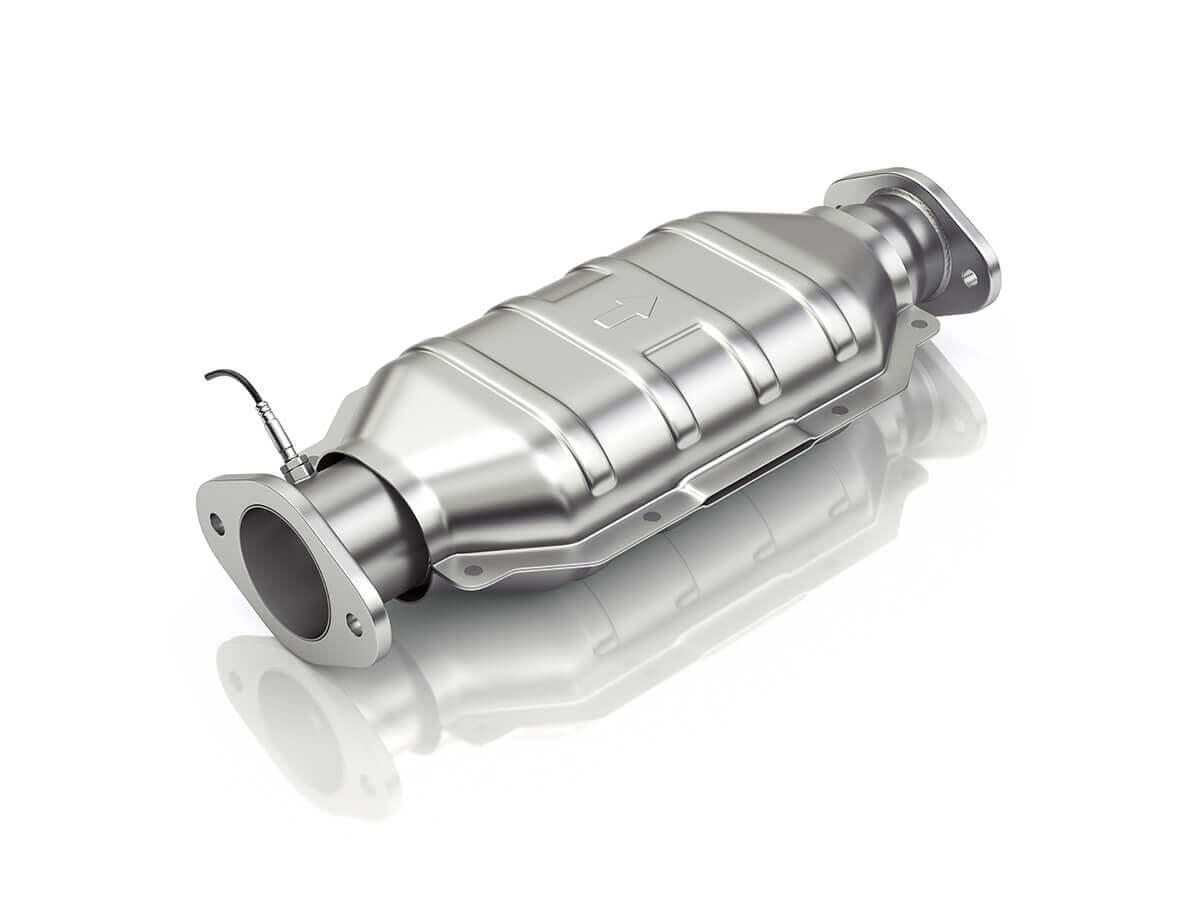
- Rattling noise
- Sulfur smell
What to Inspect:
A professional mechanic should address catalytic converter problems because of applicable emissions standards.
Occasionally, the issue might be caused by decreased exhaust flow due to damage or an obstruction. This possibility should be considered before replacing the catalytic converter.
Can I drive with Code P0102?
Quick answer: Yes, driving with a P0102 code is usually okay for a short period.
Most of the time, driving with a P0102 code for a week or two won’t cause any issues beyond a check engine light and reduced fuel economy. Keep in mind that passing an emissions test might also be a problem. Delaying repairs beyond a few weeks risks damaging the catalytic converter.
In addition, if you notice a noticeable performance loss, you should stop driving and call a tow truck. Engine hesitation, reduced acceleration, and stalling are disasters in the making, especially at highway speeds or busy intersections.
Here’s an expanded look at driveability with a P0102 code.
| Causes | Can I Drive? | Risks / Safety / Performance |
|---|---|---|
|
Faulty Mass Air Flow (MAF) Sensor |
Driving for a short period is fine, but fix the problem soon. If the engine performance drops significantly, stop driving to prevent a safety risk. |
Driving with a faulty mass air flow sensor (DTC P0102) can lead to poor fuel economy, reduced engine performance, and potential catalytic converter damage if left unaddressed for an extended period. |
|
Bad Air Filter |
Driving for a short period is fine, but fix the problem soon. If the engine performance drops significantly, stop driving to prevent a safety risk. |
A dirty or clogged air filter can reduce engine performance and fuel efficiency. If severely restricted, it may also cause engine damage over time by allowing contaminants to enter the engine or disrupting the air-fuel mixture. |
|
Defective Air Intake Hose |
Driving for a short period is fine, but fix the problem soon. If the engine performance drops significantly, stop driving to prevent a safety risk. |
A faulty air intake hose can cause unmetered air to enter the engine, leading to incorrect air-fuel mixture and potentially rough idle, stalling, or poor acceleration. In severe cases, it may also allow debris to enter the engine, risking internal damage. |
|
Vacuum Leak |
Driving for a short period is fine, but fix the problem soon. If the engine performance drops significantly, stop driving to prevent a safety risk. |
A vacuum leak can cause the engine to run lean, potentially leading to poor performance, reduced fuel economy, and increased emissions. If left unaddressed, it may cause engine misfires, rough idling, and even damage to engine components over time. |
|
Malfunctioning Engine Control Module/
Powertrain Control Module
|
Driving for a short period is fine, but fix the problem soon. If the engine performance drops significantly, stop driving to prevent a safety risk. |
A malfunctioning ECM/PCM can lead to incorrect fuel injection, ignition timing, and overall engine management, potentially causing poor performance, reduced fuel efficiency, and increased emissions. In severe cases, it may result in engine stalling or failure to start, posing safety risks while driving. |
|
Malfunctioning Catalytic Converter |
Driving for a short period is fine, but fix the problem soon. If the engine performance drops significantly, stop driving to prevent a safety risk. |
A clogged catalytic converter can create backpressure, affecting MAF sensor readings and potentially triggering P0102. This can lead to reduced engine performance and possible engine damage. |
DIY | How To Fix P0102 Causes
Some P0102-related repairs are more complex than others, requiring professional help or advanced do-it-yourself abilities. Still, there are opportunities for someone with beginner to moderate skills. We’ve highlighted these potential tasks below.
Importantly, any DIY repair project should include a self-assessment about what you can handle and when to call in a pro. You don’t want to risk injury or make the problem worse (and more costly to repair).
Possible Cause: Bad Air Filter
What is it?
A contaminated or clogged air filter impedes airflow to the engine, potentially triggering a P0102 code and affecting engine performance.
How hard is it to fix?
Difficulty Level: Easy
The air filter, typically housed in an easily accessible cold air intake box, can be replaced with minimal effort. Simply open the box, exchange the old filter for a compatible new one, and securely close the housing to maintain proper airflow integrity.
Cost of Repairs
A replacement air filter costs $32 to $44. Buying on the upper end of this price range will get you an upgraded air filter that can modestly improve engine performance and fuel economy. There are also options for washable filters that can last the vehicle’s lifetime.
Possible Cause: Faulty MAF Sensor
What is it?
The mass air flow (MAF) sensor monitors air intake, helping to regulate how much fuel is sent for combustion. A contaminated or malfunctioning sensor can disrupt this crucial air-fuel balance.
How hard is it to fix?
Difficulty Level: Moderate
Locate and remove the MAF sensor with care—it’s fragile. Inspect for contamination and gently clean with specialized MAF cleaner only. Reinstall after cleaning. If the problem remains, explore other potential causes before replacing the sensor.
Cost of Repairs
MAF sensor cleaners and supplies typically range from $20 to $40, while a replacement sensor costs $40 to $50.
Possible Cause: Vacuum Leak
What is it?
An optimal air-fuel ratio is crucial for engine performance. Vacuum leaks can upset this balance, potentially causing elevated idle speeds and triggering code P0102.
How hard is it to fix?
Difficulty Level: Moderate
Locating vacuum leaks often proves challenging, with basic methods like water spraying (mentioned earlier) having limited effectiveness. While simple hose replacements are doable, complex leaks involving gaskets or intake manifolds typically require professional diagnosis and repair.
Cost of Repairs
A replacement vacuum line will cost $50 to $150 but can vary depending on the vehicle.
Possible Cause: Defective Air Intake Hose
What is it?
Like with other components we’ve covered, a cracked or damaged air intake hose can cause an imbalance in the precise air-fuel mixture, resulting in a P0102 code.
How hard is it to fix?
Difficulty Level: Moderate
The air intake hose is easy to deal with because it only involves a single tube, usually one or two feet long. In addition, accessing the connection to the air collector box is typically uncomplicated. The challenge can occur when reaching the other end, which fastens to the engine. Often, this area is blocked by different components, requiring careful removal. Don’t disconnect anything you’re unfamiliar with or may be unable to reattach. Be extra cautious about not allowing anything (dirt, debris, tools, or loose parts) to enter the open-air intake area on the engine when the hose is disconnected.
Cost of Repairs
Depending on the car, expect to pay $20–$100 for a replacement air intake hose.
Other DIY Considerations for Code P0102
More complex P0102-related repairs involve a defective engine control module or failing catalytic converter. These tasks are significantly more complicated and require advanced diagnostic skills and tools. Leave these projects to a professional.
Before dealing with any code P0102-related repair, check whether your car is under warranty. You can save money by letting the automaker handle the work. In addition, research if there are any technical service bulletins (TSBs) for your car. TSBs are official repair/correction notices issued by the manufacturer that cover specific problem areas. You can research this online or contact a dealer.
P0102 Code FAQs
What makes and models does code P0102 affect the most?
Here’s a breakdown of the vehicles most affected by code P0102, according to FIXD sensor data collected in 2023.
| Make | Model | Occurrence Frequency |
| Chevrolet | Silverado 1500 | High |
| Dodge | Grand Caravan | High |
| Nissan | Altima | High |
| Ford | F-150 | Medium |
| Toyota | Corolla | Medium |
What vehicles have the highest occurrences of P0102 codes?
FIXD sensor data shows that the Chevrolet Silverado 1500, Dodge Grand Caravan, and Nissan Altima have the greatest frequency of P0102 codes. The Ford F-150 and Toyota Corolla also fall into this category but at a more moderate level.
What causes code P0102?
Code P0102 is typically triggered by the engine control module (ECM) or powertrain control module (PCM) detecting low voltage in the mass air flow (MAF) sensor. The problem can often be traced to a bad or dirty sensor. Other causes can involve a clogged air filter, vacuum leaks, or wiring issues. In some cases, a severely clogged catalytic converter creating backpressure or a malfunctioning ECM/PCM can also lead to this code.
How can I prevent a P0102 code?
To prevent a P0102 code, regularly maintain your vehicle’s air intake system. This includes replacing the air filter at recommended intervals, cleaning the MAF sensor periodically, and inspecting for vacuum leaks or damaged intake components. Additionally, ensure your vehicle receives routine tune-ups to keep the engine and its sensors functioning optimally.
References:
Repair-cost estimates, repairpal.com (various dates). Retrieved October 8, 2024, from repairpal.com.

Dave Goldberg is an automotive journalist and lifelong car fanatic. He writes for numerous enthusiast and business outlets and is an ongoing contributor to HotCars.com, one of the most popular car culture websites. When he’s not writing or driving, Dave is either under a hood or asleep. His credentials include a BA in Journalism from The George Washington University.