


| Table of Contents | |
| Possible Causes of P0131 & Their Repair Costs | A P0131 code indicates that the Bank 1 Sensor 1 oxygen sesor circuit is reporting a lower-than-normal voltage output to the engine’s computer. |
| How to Diagnose the Cause of Your P0131 Code | Code P0131 can be triggered by several issues, with a faulty oxygen sensor being the most common cause. However, problems like damaged wiring, blown fuses, fuel system issues (including pump or pressure regulator problems), exhaust leaks, or even engine/powertrain control module failures can also set off this code. |
| Can I drive with a P0131 code? | Yes, it’s acceptable, in most cases, to drive for up to a couple of weeks with a P0131. However, delaying repairs can lead to more expensive repairs. A P0131 code accompanied by a loss of engine performance, such as hesitation or stalling, becomes a do-not-drive situation. |
| DIY | How To Fix P0131 Causes | DIYable P0131 triggers include:Damaged fuseOther DIY Considerations for Code P0131 |
| P0131 Code FAQs | Frequently asked questions:What makes and models does code P0131 affect the most?What causes code P0131?Is a P0131 Harley code possible? |
Oxygen sensors are common trouble spots in modern automobiles. These devices (most cars have more than one) analyze the oxygen level in the exhaust. Upstream Sensor 1 sits between the exhaust manifold and the catalytic converter, while downstream Sensor 2 is placed after the catalytic converter. Based on these measurements, the engine control module (ECM) or powertrain control module (PCM) regulates the air-fuel mixture to balance power and emissions.
Diagnostic trouble code (DTC) P0131: Oxygen O2 Sensor Circuit Low Voltage (Bank 1, Sensor 1) occurs when the ECM/PCM detects a low voltage signal with this oxygen sensor. Often, this triggers a lean combustion condition (too much air), which the ECM attempts to correct.
There are numerous other oxygen sensor-related codes, including:
Possible Causes of P0131 & Their Repair Costs
Thinking that the cause of a P0131 code is only a faulty oxygen sensor may leave you frustrated, as there are several possible reasons for this problem. Professional mechanics take this approach, and so should you, especially if you’re looking at performing a preliminary inspection (covered below).
Check out the FIXD article on the most common causes of check engine lights.
Here’s an overview of the parts and systems that can cause a P0131 code and their average repair costs. Actual prices can depend on the vehicle and location.
P0131 Code Triggers & Typical Repair Costs
| Part To Repair | Part / DIY Price | Mechanic Total Cost |
| Oxygen Sensor | $300–$333 | $362–$412 |
| Damaged Wiring (oxygen sensor harness) | $25–$100 | $100–$350 |
| Fuse | $1–$5 | $26–$45 |
| Exhaust: Repair Leak (welding) | N/A | $100–$200 |
| Fuel Pump | $980–$1,110 | $1,148–$1,321 |
| Fuel Pressure Regulator | $103–$130 | $275–$333 |
| Engine Control Module/Powertrain Control Module | $929–$978 | $1,006–$1,075 |
Let’s explore how these failed components can cause a P0131 code.
Parts Most Likely to Fail & Cause a P0131 Code
| Parts that can cause P0131 | How it could cause P0131 |
| Oxygen SensorOxygen Sensor Harness | Code P0131 can be triggered when a faulty oxygen sensor sends incorrect lean condition signals due to degraded internal components or when damaged/corroded wiring between the sensor and engine control module causes low voltage or intermittent signal issues. |
| Fuse | A blown or damaged fuse in the oxygen sensor circuit can disrupt the power supply to the sensor, causing it to report low or no voltage output to the engine control module. The computer interprets this as a lean condition and sets the P0131 code. |
| Exhaust (leak) | An exhaust leak near the oxygen sensor can allow excess air to enter the exhaust stream, causing the sensor to detect a false lean condition and report lower voltage readings to the engine control module, triggering the P0131 code. |
| Fuel PumpFuel Pressure Regulator | A failing fuel pump or faulty pressure regulator can create a lean condition by not delivering adequate fuel pressure to the engine. This causes the oxygen sensor to correctly detect excess oxygen in the exhaust and report low voltage readings, which triggers the P0131 code. |
| Engine Control Module/Powertrain Control Module | A failing engine control module (ECM) or powertrain control module (PCM) may misinterpret normal oxygen sensor signals or fail to properly regulate the air-fuel mixture, leading to actual lean conditions or false lean readings that trigger the P0131 code. |
Makes Commonly Affected By P0131
Oxygen sensor problems aren’t limited to a particular vehicle brand or body style. FIXD sensor data shows that P0131 codes affect many makes and models.
The worst of the worst for P0131-related problems is the Ford F-150, America’s most popular vehicle for over four decades. This standing puts the Blue Oval brand at the top of this list, covering the five leading automakers for P0131 codes. The Focus and Fusion complete the Ford trio, but only the F-150 and Focus have high incident levels of this problem.
Chevrolet follows with its popular Equinox crossover ranking highest for P00131 codes, albeit at a medium occurrence rating. The Sonic and Impala follow but at low incident levels. Meanwhile, Audi occupies third place due to the high prevalence of P0131 codes with the A4.
While Nissan ranks fourth, its three worst vehicles—the Sentra, Titan, and Frontier—all have low occurrence ratings for P0131 codes. Similarly, GMC’s models most likely to have P0131 codes—the Envoy, Sierra, and Terrain—also have low incident levels.
| Top 5 Makes Affected by P0131 | Most Affected Model(s) |
|
Ford |
F-150 |
| Focus | |
| Fusion | |
|
Chevrolet |
Equinox |
| Sonic | |
| Impala | |
|
Audi |
A4 |
| N/A | |
| N/A | |
|
Nissan |
Sentra |
| Titan | |
| Frontier | |
|
GMC |
Envoy |
| Sierra | |
| Terrain |
How to Diagnose the Cause of Your P0131 Code
Troubleshooting a check engine light begins with using an OBD-II scanner to confirm the diagnostic trouble code behind the warning. For some car owners, a basic code reader will meet their needs. Just plug it into the car’s OBD-II port, and the device will display any active codes, such as P0131. For those interested in learning typical causes of a code or repair information, the FIXD plug-in sensor and accompanying FIXD app provide next-level details.
Following confirmation of a P0131 code via a scanner, grab a few essentials to conduct a preliminary inspection of the possible trouble spots. You’ll need a flashlight, gloves, safety goggles, and a rag.
Safety Essentials
Before exploring the source of a P0131 code, you’ll want to observe the following:
- Park on a level surface in a safe area
- Ensure the car is off and the parking brake is engaged
- Allow the engine to cool
Symptoms of P0131 Causes
Considering all possible reasons behind a P0131 code is the best approach, even though the most likely cause is a bad upstream O2 sensor on Bank 1 of the engine. Here’s an overview of what to look for and when calling a mechanic is a wiser way to go.

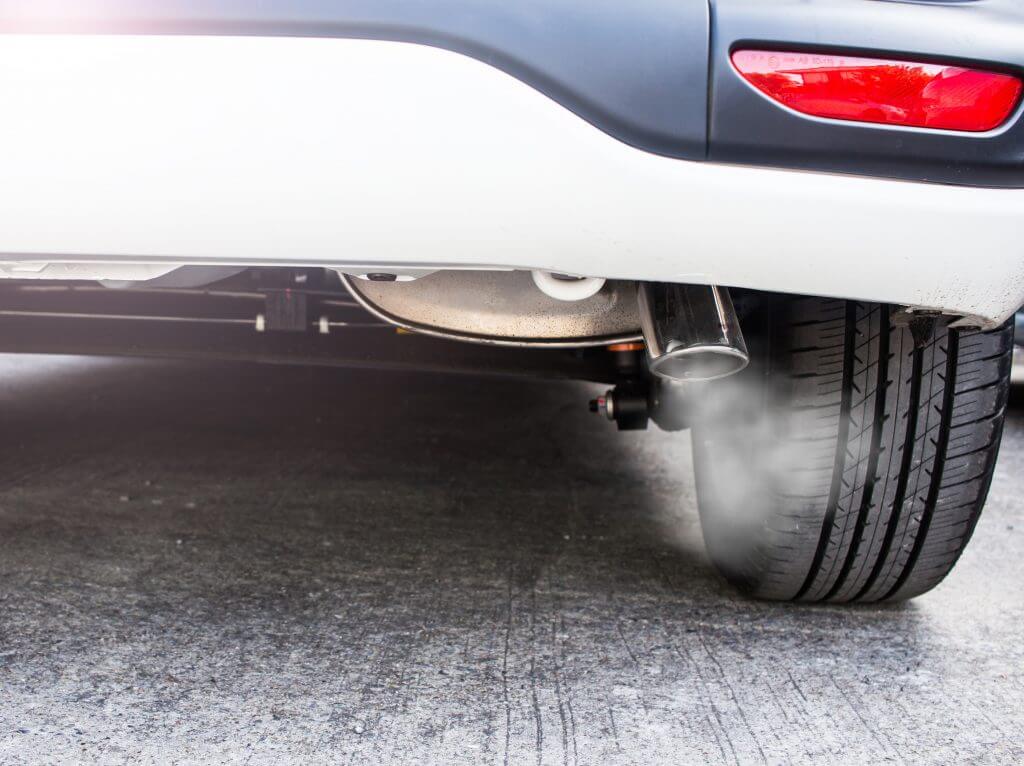
Symptoms:
- Illuminated check engine light
- Rough idling
- Reduced fuel economy
- Engine stalling or hesitation
- Black exhaust smoke
- Failed emissions test
What to Inspect:
- Visually inspect the sensor for physical damage or heavy corrosion
- Check if the sensor appears oil-fouled or coated in carbon
Pro Tip: Using a mirror on an extendable handle helps view hard-to-see areas of the sensor. Due to the sensor’s location (underneath the car), a complete inspection is best left to a professional. A voltmeter can test the sensor’s function.
Safety Warning: Inspect only when the engine is completely cool to avoid burns.
Symptoms:
- Illuminated check engine light
- Rough idling
- Reduced fuel economy
- Engine stalling or hesitation
- Black exhaust smoke
- Failed emissions test
What To Inspect:
- Check for frayed, melted, or damaged wires
- Look for loose or corroded connections at the sensor plug
- Gently wiggle the wire harness while inspecting— any movement could indicate loose connections.
Pro Tip: A small LED flashlight can help spot subtle wire damage or discoloration
Symptoms:
- Illuminated check engine light
- No power to the oxygen sensor
What To Inspect:
- Locate the oxygen sensor fuse in your fuse box (check the owner’s manual for location)
- Remove and visually inspect the fuse—look for a broken metal strip inside
- Check for corrosion on fuse terminals
Pro Tip: Keep spare fuses in your glove box—they’re inexpensive and worth having.
Symptoms:
- Illuminated check engine light
- Reduced fuel economy
- Engine hesitation
- Unusual engine noise
- Burning smell or unusual odor
- Gas pedal vibration
What To Inspect:
- With the engine running (in an open area), listen for ticking or hissing sounds near the exhaust manifold.
- Look for black soot marks around exhaust connections
- If you smell exhaust in the cabin or feel unusually tired while driving, shut off the engine and exit the vehicle immediately. Carbon monoxide exposure can be lethal. Tow the car to an exhaust specialist.
Safety Warning: Never check for exhaust leaks when the engine is hot or in an enclosed space.
Symptoms:
- Illuminated check engine light
- Engine performance issues
- Difficulty starting the engine
- Random misfires
What To Inspect:
- Listen for the pump running for 2-3 seconds when turning the key to “ON” (before starting)
- Check for consistent fuel pressure gauge readings (if equipped)
Note: While these basic checks can indicate problems, proper fuel pressure testing requires professional equipment and experience.
Symptoms:
- Illuminated check engine light
- Engine performance issues
- Rough Idling
- Black exhaust smoke
What To Inspect:
- Look for fuel leaks around the regulator
- Check for a strong gas smell from the engine bay
- For Experienced DIYers Only: Remove the vacuum line from the regulator (when the engine is off) to check for the presence of fuel (which isn’t normal)
Note: A definitive diagnosis requires professional pressure testing.
Symptoms:
- Illuminated check engine light
- Slow engine warm-up
- Lack of cabin heat
- Temperature gauge reading low
- Engine running cooler
- Fluctuating temperature readings
- Reduced fuel economy
- Engine performance issues
- Difficulty starting the engine
- Incorrect idle speed
- Transmission shifting issues
- Multiple, seemingly unrelated error codes
What To Inspect:
- Check for other warning lights or erratic gauge behavior
- Note any recent electrical problems or battery issues
Pro Tip: Before suspecting the ECM/PCM, check all other possibilities first—this is typically a last-resort diagnosis.
Note: Professionals should always conduct an ECM/PCM diagnosis and replacement with proper equipment.
Can I drive with a P0131 code?
Quick answer: Yes, short-term driving with a P0131 code is acceptable. However, delaying repairs beyond two weeks risks more serious damage.
Ignoring a P0131 code can eventually cause damage to the catalytic converter due to an improper air-fuel mixture. To make matters worse, continued driving with this condition can lead to cylinder damage and increased valve and piston wear.
Keep in mind that the grace period for repairs should be cut short if you notice hesitation or stalling. These conditions can lead to on-road hazards while on the highway or turning at an intersection. It’s safer under these circumstances to call a tow truck.
Here’s a more detailed look at driveability with a P0131 code.
| Causes | Can I Drive? | Risks / Safety / Performance |
|---|---|---|
|
Faulty Oxygen Sensor/Defective Oxygen Sensor Harness |
Yes, driving with a P0131 code for a short time (a week or two) shouldn’t cause additional problems. However, don’t drive if the vehicle hesitates or stalls to prevent dangerous conditions. |
Driving with a faulty oxygen sensor or a damaged wiring harness can cause poor fuel economy and potential catalytic converter damage due to improper fuel mixtures. |
|
Damaged Fuse |
Yes, driving with a P0131 code for a short time (a week or two) shouldn’t cause additional problems. However, to prevent dangerous conditions, don’t drive if the vehicle hesitates or stalls. |
A blown fuse in your oxygen sensor circuit creates the same problems as a malfunctioning sensor or damaged wiring. Your engine will struggle to maintain optimal fuel mixture, affecting fuel economy and emissions. Left unchecked, this issue can cascade, potentially harming other engine components over time. |
|
Exhaust Leak |
Yes, driving with a P0131 code for a short time (a week or two) shouldn’t cause additional problems. However, to prevent dangerous conditions, don’t drive if the vehicle hesitates or stalls. |
Driving with an exhaust leak can expose you to potentially lethal carbon monoxide fumes inside the cabin while risking damage to your catalytic converter and engine components from incorrect air-fuel mixtures. |
|
Malfunctioning Fuel Pump/Fuel Pressure Regulatorr |
Yes, driving with a P0131 code for a short time (a week or two) shouldn’t cause additional problems. However, don’t drive if the vehicle hesitates or stalls to prevent dangerous conditions. |
Driving with a failing fuel pump or pressure regulator can lead to poor engine performance, reduced fuel economy, and potential engine damage in the long term due to an imbalanced air-fuel mixture. |
|
Defective Engine Control Module / Powertrain Control Module |
Yes, driving with a P0131 code for a short time (a week or two) shouldn’t cause additional problems. However, don’t drive if the vehicle hesitates or stalls to prevent dangerous conditions. |
A faulty ECM/PCM causing P0131 codes can damage the engine from incorrect air-fuel mixtures, potentially cause catalytic converter failure, and risk unpredictable engine performance. |
DIY | How To Fix P0131 Causes
Given that the Bank 1 Sensor 1 oxygen sensor is located under the car (as are most other O2 sensors), the primary challenge with DIY repairs is access. The average car owner isn’t likely to have jack stands or want to mess with crawling beneath their car. In addition, removal is best handled via an oxygen sensor socket, a tool that isn’t in most car owners’ garages.
Looking at other P0131-related repairs, fixing an exhaust leak or replacing the fuel pump or fuel pressure regulator requires a more advanced skill set and specialized tools. Not to mention that dealing with an engine control module or powertrain control module is pro-only work.
So, if applicable, replacing a blown fuse is the one task a typical car owner can handle independently to resolve a P0131 code.
Possible Cause: Damaged Fuse
What is it?
Your vehicle’s oxygen sensor needs a proper electrical current, often regulated by a specific fuse. If this fuse blows, the sensor stops working altogether. However, not all vehicles have a separate O2 sensor fuse. In these cases, you’ll need a professional electrical system diagnosis.
How hard is it to fix?
Difficulty Level: Easy
Replacing a blown fuse is one of the simplest car repairs you can do yourself, potentially saving a trip to the mechanic. Each fuse in your vehicle protects a specific circuit or component, and using the correct amperage is crucial to prevent electrical system damage.
Safety First:
- Always turn off the engine and remove the key before working with fuses
- Never force a fuse into place – it should fit easily
- Never substitute a higher amperage fuse—this can cause an electrical fire
Locating The O2 Sensor Fuse:
- Check the owner’s manual for fuse box locations (commonly under the dash or in the engine bay)
- Look for a diagram with labels like “O2 Sensor,” “O2,” or “Lambda Sensor”
- Take a photo of the fuse layout before removing anything for additional reference
Removing and Inspecting the Fuse:
- Use a fuse puller tool (often stored in the fuse box) or small needle-nose pliers
- Look for dark discoloration or a broken metal strip inside the fuse
- Compare the suspect fuse to a known good one
Replacement Tips:
- Always match the original fuse amperage exactly
- Keep spare fuses in your glove box for emergencies
Warning Signs:
- If the same fuse keeps blowing, there’s likely a deeper electrical problem
- Multiple blown fuses indicate a need for professional diagnosis
Cost of Repairs
A new oxygen sensor fuse costs $1– $5 on average.
Other DIY Considerations for Code P0131
Before dealing with any code P0131-related repair, check whether your car is under warranty. You can save money by letting the automaker handle the work. In addition, research if there are any technical service bulletins (TSBs) for your car. TSBs are official repair/correction notices issued by the manufacturer that cover specific problem areas. You can research this online or contact a dealer.
P0131 Code FAQs
What makes and models does code P0131 affect the most?
P0131 Honda, P0131 Ford, and P0131 Chevy codes are reasonably common. Here’s a breakdown of the vehicles most affected by code P0131, according to FIXD sensor data collected in 2023.
| Make | Model | Occurrence Frequency |
| Audi | A4 | High |
| Ford | F-150 | High |
| Ford | Focus | High |
| Chevrolet | Equinox | Medium |
| Ford | Fusion | Medium |
| Ford | Expedition | Medium |
What causes code P0131?
A P0131 code is triggered when the oxygen sensor circuit reports a lower-than-normal voltage, which can be caused by various issues, including a faulty O2 sensor, damaged wiring, exhaust leaks, fuel delivery problems (bad pump or pressure regulator), blown fuses, or a malfunctioning engine control module. While the code specifically indicated a low voltage circuit issue with the Bank 1 Sensor 1 oxygen sensor, the root cause needs to be properly diagnosed, as multiple systems can create this error condition.
Is a P0131 Harley code possible?
Yes. Most motorcycles have oxygen sensors, so a Harley code P0131 can be a legitimate problem. Like with cars, an oxygen sensor can fail due to age or damage. However, accessing the O2 sensor is much easier, making this a likely DIY repair. Similarly, there can be other causes of a P0131 code for a Harley Davidson, such as a wiring issue, exhaust leak, or fuel supply-related trouble.
References:
- Repair-cost estimates, repairpal.com (various dates). Retrieved January 7, 2025, from repairpal.com.

Dave Goldberg is an automotive journalist and lifelong car fanatic. He writes for numerous enthusiast and business outlets and is an ongoing contributor to HotCars.com, one of the most popular car culture websites. When he’s not writing or driving, Dave is either under a hood or asleep. His credentials include a BA in Journalism from The George Washington University.








13 Responses
My 2018 Buick Encore had a code of p301 which is misfire moved spark plug of number 1to 4 and the turned car back in to read a code now shows new code of p131 any idea why or how this could happen esp when goes from one code to another? Running very poor feels like going stall out. Any ideas?? Please help!!
I changed both of my 02 sensor on my 02 Honda Civic and my engine light still stay on and am still getting the p0131 code what am I missing please help
Did you disconnect the battery and reconnect it again after you changed your O2 sensors? If yes then you might need to replace your catalytic converter.
My car all the sudden started putting and died, we got stranded with our 3month old baby and had to pay for a tow! I hope this dont cost me another arm and a leg! Fix showed 5 codes ?
Could this code have anything to do with the fact I cut off the muffler
So my car is showing code 131 means my 02 sensor need changing …
When I go to the shop I tell my mechanic what my car needs
FIXD diagnosed my check engine light correctly. Once I cleared the light I took the truck for a drive and did not notice any performance issues. Thanks for solving a potential problem. FIXD is the best purchase I ever made.
My car all the sudden started putting and died, we got stranded with our 3month old baby and had to pat for a tow! I hope this dont cost me another arm and a leg! Fix showed 5 codes ?
Could this code also be caused by driving to an higher elevation. Let’s say 2000-3000 feet above normal daily driving?
I am so happy about this fixdaapp it amazing I recommend to any one thanks best regards Sam
The battery of the car was dead. I jump the car and as soon it turn on, the check engine light came on and this code appears. After a couple of hours, running around, erased the code, all back to normal. I tested the car days after and check light do not come back again. Your tool and service is awesome!!!
Cleared code and light did not come on again car is running fine