
P0507 Engine Code | Idle Speed Too High

The DTC P0507 code indicates Idle Control System RPM Higher Than Expected. Possible causes: Vacuum leak, throttle body, mass air flow sensor, idle air control valve, or power steering pressure switch. Cost: $100–$634, based on the problem. The code is most common to Dodge, Chevys, and Nissans.

Original graphic image of Code P0507

Diagnose and fix your check engine light yourself


See what your engine code means in plain English
Get the most likely repair and cost
Access our Mechanic Hotline
Do repairs yourself and save $1000s

Table of Contents
Possible Causes of
P0507 and Their Repair Costs
Code P0507 indicates that the engine is
idling at above-normal RPMs.
How to Diagnose the
Cause of Your P0507 Code
Identify the probable reason for a P0507 code,
like a vacuum leak, a dirty or defective throttle
body, a faulty mass air flow (MAF) sensor, a bad
idle air control valve, or a defective power
steering pressure switch.
Can I Drive with a
P0507 Code? 
Yes, but it’s important not to ignore the cause
of a P0507 code and get the problem resolved.
DIY | How To Fix P
0507 Causes

DIYable P0507 triggers include:

  • Vacuum Leak
  • Dirty Throttle Body
  • Faulty MAF Sensor
  • Other DIY Considerations for Code P0507
FAQs

Frequently asked questions:

  • What Makes and Models does code P0507 affect the most?
  • How can I prevent P0507 from occurring?
  • Can weather conditions trigger a P0507 code?
  • What Nissan is most vulnerable to a P0507 code?

While a check engine light is always an occasion to worry, diagnostic trouble code (DTC) P0507— Idle Control System RPM Higher than Expected—isn’t the worst error message you can receive. In this situation, your car’s engine is idling excessively above the normal revolutions per minute (RPM) rate. In most cars, normal engine idling is 600–800 RPMs but can reach 1,200 RPM in an older car. In addition, the engine in an aging vehicle may have higher RPMs at the start, which settles down after warming up. 

While no check engine light should be ignored, code P0507 doesn’t require immediate and urgent action. On the seriousness scale, it’s classified as low severity. You can go about your daily activities but will want to get the problem addressed within a few weeks. 

Until then, you’ll continue to encounter high engine idling that may be accompanied by rough engine operations and hard starts. It’s also not unusual for less-than-smooth transmission shifting. However, you’ll want to resolve the problems sooner rather than later if the symptoms include stalling to avoid unsafe driving conditions.  

High idle speeds affect fuel economy and cause extra engine wear and tear, so allowing the issue to continue long-term can be costly. Continue reading to learn what triggers a P0507 code, typical repair costs, and the vehicles most likely to face this problem.

Possible Causes of P0507 and Their Repair Costs

As mentioned, code P0507 signals an engine idling above its normal RPM range. This can be caused by an imbalance in the air-fuel mixture or a problem with an electronic or mechanical system that regulates the engine.

Check out the FIXD article on the most common causes of check engine lights.

Review this table for a better understanding of the likely triggers of a P0507 code and average repair costs. 

P0507 Triggers and Typical Repair Costs

Part To Repair Part / DIY Price Mechanic Total Cost
Vacuum Line $50–$150 $200–$300
Throttle Body (cleaning) $20–$40 $150–$250
Throttle Body (replacement) $423–$525 $509–$634
Mass Air Flow Sensor (cleaning) $20–$40 $100–$200
Mass Air Flow Sensor (replacement) $40–$50 $239–$346
Idle Air Control Valve (cleaning) $20–$40 $150–$250
Idle Air Control Valve (replacement) $40–$160 $213–$385
Power Steering Pressure Switch $50–$150 $180–$300

While the cause of code P0507 varies, here are the most likely trouble spots and why. 

Parts Most Likely to Fail & Cause of a P0507 Code

Parts that can cause P0507 How it could cause P0507
Vacuum Line A leak in a vacuum line can introduce too much air into the air-fuel mixture, causing increased RPMs to keep the engine running. 
Throttle Body A dirty or defective throttle body affects the amount of air that enters the combustion chamber, resulting in an incorrect air-fuel ratio.
Mass Air Flow Sensor A clogged or faulty mass air flow (MAF) sensor sends an incorrect reading to the engine control module (ECM), causing higher RPMs to counter this wrong information.
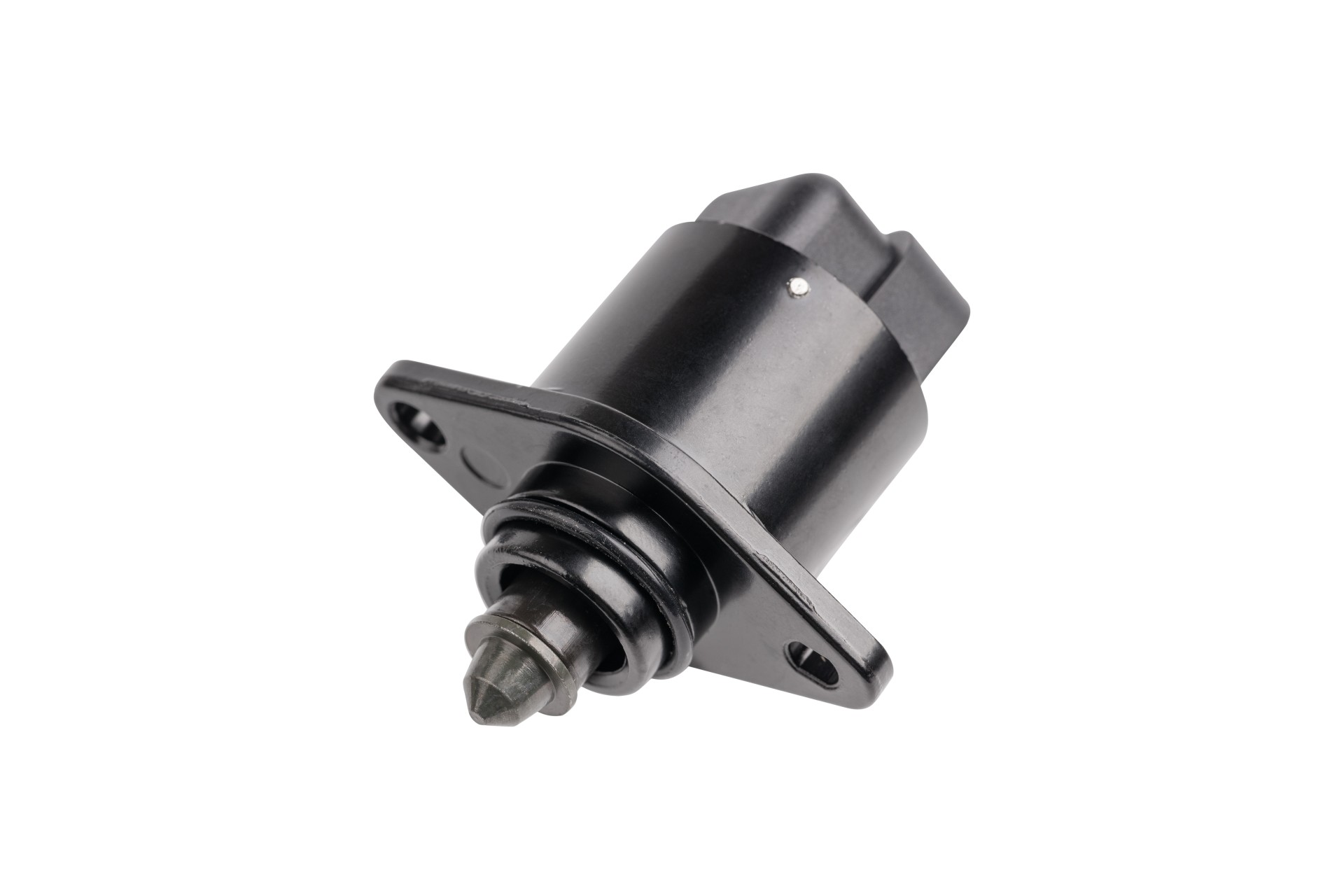
Idle Air Control Valve  The idle air control valve controls the oxygen flowing into the intake manifold, so a dirty or bad unit can impact  
Power Steering Pressure Switch If the ECM detects a drop in power steering pressure (determined by the power steering pressure switch), it will instruct the engine to increase RPMs to boost the pressure. A bad switch can send incorrect readings.

Makes Commonly Affected By P0507

While FIXD sensor data shows that few makes are exempt from P0507 trouble codes, specific brands are more likely to encounter this problem than others. Moreover, certain models have a greater likelihood of P0507 codes among these more trouble-prone makes than others.

Leading this dubious list is Dodge, with the Grand Caravan being the worst offender. It’s joined by the RAM 1500 pickup and the Charger sedan. Technically, RAM is a separate brand, having been spun off from Dodge in 2009. But old habits are hard to break, as RAM trucks are often called Dodges. 

Detroit is more represented on this unfortunate list, with Chevrolet taking second place. In particular, the Silverado 1500 has the most significant share of P0507 error codes among the Bow Tie brand. The Malibu and Impala round out Chevy’s top three. 

Nissans are no strangers to error codes related to high-revving engines. In particular, the company’s stalwart sedan, the Altima, has a high incidence of code P0507. The Maxima and Murano also make the cut, but not at the level of the Altima.

The Focus has more P0507 codes than any other Ford vehicle. Meanwhile, the company’s longest-running nameplate, the Mustang, can claim second-place status for this warning message among all Blue Oval vehicles. The Ranger follows in third place.

Volkswagen completes the top five, with the Passat generating more P0507 codes than any other VW. Its smaller sibling, the Jetta, and the compact Tiguan crossover are also known for their abilities to generate this DTC.

Top 5 Makes Affected by P0507 Most Affected Model(s)


Dodge

Grand Caravan
RAM 1500
Charger


Chevrolet

Silverado 1500
Malibu
Impala


Nissan

Altima
Maxima
Murano


Ford

Focus
Mustang
Ranger


Volkswagen

Passat
Jetta
Tiguan

How to Diagnose P0507 Causes

Although higher-than-normal RPMs may be present in your car, it’s best not to assume the cause even if a check engine light is active. Use an OBD-II scanner like the FIXD smartphone app with a plug-in sensor or a dedicated device to confirm that code P0507 is the culprit. The FIXD app shows the most common problem areas associated with the DTC, which may inspire the curious to explore under the hood.

If this is the case, you’ll need gloves, safety goggles, a flashlight, and a rag. A spray bottle with water will also come in handy; we’ll explain how to use this shortly. 

Safety Essentials

Before exploring the source of a P0507 code, you’ll want to observe the following:

  • Park on a level surface in a safe area
  • Ensure the car is off and the parking brake is engaged
  • Allow the engine to cool

Symptoms of P0507 Causes

Chances are that the presence of code P0507 is due to a vacuum leak. However, we’ve listed other potential trouble areas to investigate. Keep in mind that different issues can share the same symptoms.

Click on each Possible Cause of a P0507 code to know the symptoms to look out for and what to inspect.

Symptoms:

  • Higher-than-normal engine RPMs at idle
  • Rough engine idle
  • Engine sputtering or stalling 
  • Hard-to-start engine
  • Abrupt transmission shifts at high RPMs


What to Inspect:

Visually inspect the air hoses and vacuum lines for any cracks or deterioration.
Turn the engine on, open the hood, and listen for any high-pitched hissing or whistling sound. 

Spray water along air hoses, vacuum lines, gaskets, and fuel injectors while listening for any change in engine operation. A sputtering can indicate water entering the system, signaling a likely leak.

Symptoms:

  • Higher-than-normal engine RPMs at idle
  • Rough engine idle
  • Engine sputtering or stalling 
  • Hard-to-start engine
  • Abrupt transmission shifts at high RPMs


What to Inspect:
Inspect the throttle bottle for an accumulation of dirt and other build-up, or have the symptoms investigated by a professional technician.

Symptoms:

  • Hesitation or jerking during acceleration
  • Higher-than-normal engine RPMs at idle
  • Rough engine idle
  • Engine sputtering or stalling 
  • Hard-to-start engine
  • Abrupt transmission shifts at high RPMs


What to Inspect:

Ensure the wiring harness is connected to the MAF sensor and inspect it for grime accumulation. Then, have a professional technician investigate the symptoms.

Symptoms:

  • Higher-than-normal engine RPMs at idle
  • Rough engine idle
  • Engine sputtering or stalling 
  • Hard-to-start engine
  • Abrupt transmission shifts at high RPMs
  • Exhaust backfiring


What to Inspect:

Have the symptoms investigated by a professional technician.

Symptoms:

  • Higher-than-normal engine RPMs at idle
  • Rough engine idle
  • Engine sputtering or stalling 
  • Hard-to-start engine
  • Abrupt transmission shifts at high RPMs


What to Inspect:

Have the symptoms investigated by a professional technician.

Identifying a specific cause of a P0507 code can involve using a professional-level OBD-II scanner, so you’ll often need to have some problems looked at by a technician. These professionals know how to read and interpret advanced vehicle diagnostics to more precisely and quickly isolate a troubled area.

Can I Drive with Code P0507?

Quick answer: Yes you can generally drive with code P0507 but, don’t ignore the problem

Code P0507 is considered a less serious car problem, so driving with this issue for a few weeks isn’t likely to damage the car or create a safety hazard. However, the risks increase the longer the problem goes untreated. 

You’ll also have to deal with the accompanying engine signs, like high RPMs at idle, hesitation, starting difficulties, stalling, and harsh transmission engagement. Dealing with symptoms can be annoying, and repeated stalling should be addressed immediately to avoid inconvenience or safety concerns. 

Let’s expand on this by looking at the potential risks associated with the different possible causes of a P0507 DTC.

Causes Can I Drive? Risks / Safety / Performance
Vacuum Leak Yes, for a few weeks, if needed. Poor engine performance, reduced fuel economy, and more harmful emissions. Long term, there’s potential for damage to internal engine components and the catalytic converter.
Dirty or Defective Throttle Body Yes, for a few weeks, if needed. Poor engine performance, reduced fuel economy, and more harmful emissions. Unburnt fuel sent through the exhaust can damage the catalytic converter.
Faulty Mass Air Flow (MAF) Sensor Yes, for a few weeks, if needed. Poor engine performance, reduced fuel economy, and more harmful emissions. Unburnt fuel sent through the exhaust can damage the catalytic converter.
Bad Idle Air Control Valve  Yes, for a few weeks, if needed. Poor engine performance, reduced fuel economy, and more harmful emissions. 
Power Steering Pressure Switch Yes, for a few weeks, if needed. Potential for engine stalling and malfunctioning steering.

<\/p>\n

<\/p>\n

FIXD sensor data gathered in 2023 shows the following vehicles are most likely to experience a DTC P0507.<\/p>\n

<\/p>\n

\n\n\n\n\n\n\n\n\n\n\n\n\n\n\n\n\n\n\n
Make<\/strong><\/td>\nModel<\/strong><\/td>\nOccurrence Frequency\u00a0<\/strong><\/td>\n<\/tr>\n
Dodge<\/td>\nCaravan<\/td>\nHigh<\/td>\n<\/tr>\n
Chevrolet<\/td>\nSilverado 1500<\/td>\nHigh<\/td>\n<\/tr>\n
Nissan<\/td>\nAltima<\/td>\nHigh<\/td>\n<\/tr>\n
Volkswagen<\/td>\nPassat<\/td>\nModerate<\/td>\n<\/tr>\n
Volkswagen<\/td>\nJetta<\/td>\nModerate<\/td>\n<\/tr>\n
Dodge<\/td>\nRAM 1500<\/td>\nLow<\/td>\n<\/tr>\n
Dodge<\/td>\nCharger<\/td>\nLow<\/td>\n<\/tr>\n
Chevrolet<\/td>\nMalibu<\/td>\nLow<\/td>\n<\/tr>\n
Chevrolet<\/td>\nImpala<\/td>\nLow<\/td>\n<\/tr>\n
Nissan<\/td>\nMaxima<\/td>\nLow<\/td>\n<\/tr>\n
Nissan<\/td>\nMurano<\/td>\nLow<\/td>\n<\/tr>\n
Ford<\/td>\nFocus<\/td>\nLow<\/td>\n<\/tr>\n
Ford<\/td>\nMustang<\/td>\nLow<\/td>\n<\/tr>\n
Ford<\/td>\nRanger<\/td>\nLow<\/td>\n<\/tr>\n
Volkswagen<\/td>\nVolkswagen<\/td>\nLow<\/td>\n<\/tr>\n<\/tbody>\n<\/table>\n<\/figure>\n

<\/p>"}},{"@type":"Question","name":"How can I prevent P0507 from occurring?","acceptedAnswer":{"@type":"Answer","text":"

Regular, diligent maintenance is the best way to prevent a check engine light from being triggered by code P0507. However, these steps should also include regularly inspecting the throttle body and MAF sensor for dirt and grime buildup, which can lead to high engine RPMs at idle and eventual component breakdown.<\/span><\/p>"}},{"@type":"Question","name":"Can weather conditions trigger a P0507 code?","acceptedAnswer":{"@type":"Answer","text":"

Generally, high or low temperatures aren\u2019t directly attributable to a P0507 code. However, extreme weather can lead to the deterioration of certain components\u2014like air hoses and vacuum lines\u2014which can cause a P0507 code.<\/span><\/p>"}},{"@type":"Question","name":"What Nissan is most vulnerable to a P0507 code?","acceptedAnswer":{"@type":"Answer","text":"

According to FIXD sensor data from 2023, the Altima has the highest number of P0507 incidents among all monitored Nissan models. In fact, the Altima has a much higher occurrence rating for this problem than the Maxima and Murano, the models with the next highest incident levels.<\/span><\/p>"}}]}

References:

  1. Repair-cost estimates, repairpal.com (various dates). Retrieved May 22, 2024, from repairpal.com.
<\/p>\n

<\/p>\n

FIXD sensor data gathered in 2023 shows the following vehicles are most likely to experience a DTC P0507.<\/p>\n

<\/p>\n

\n\n\n\n\n\n\n\n\n\n\n\n\n\n\n\n\n\n\n
Make<\/strong><\/td>\nModel<\/strong><\/td>\nOccurrence Frequency\u00a0<\/strong><\/td>\n<\/tr>\n
Dodge<\/td>\nCaravan<\/td>\nHigh<\/td>\n<\/tr>\n
Chevrolet<\/td>\nSilverado 1500<\/td>\nHigh<\/td>\n<\/tr>\n
Nissan<\/td>\nAltima<\/td>\nHigh<\/td>\n<\/tr>\n
Volkswagen<\/td>\nPassat<\/td>\nModerate<\/td>\n<\/tr>\n
Volkswagen<\/td>\nJetta<\/td>\nModerate<\/td>\n<\/tr>\n
Dodge<\/td>\nRAM 1500<\/td>\nLow<\/td>\n<\/tr>\n
Dodge<\/td>\nCharger<\/td>\nLow<\/td>\n<\/tr>\n
Chevrolet<\/td>\nMalibu<\/td>\nLow<\/td>\n<\/tr>\n
Chevrolet<\/td>\nImpala<\/td>\nLow<\/td>\n<\/tr>\n
Nissan<\/td>\nMaxima<\/td>\nLow<\/td>\n<\/tr>\n
Nissan<\/td>\nMurano<\/td>\nLow<\/td>\n<\/tr>\n
Ford<\/td>\nFocus<\/td>\nLow<\/td>\n<\/tr>\n
Ford<\/td>\nMustang<\/td>\nLow<\/td>\n<\/tr>\n
Ford<\/td>\nRanger<\/td>\nLow<\/td>\n<\/tr>\n
Volkswagen<\/td>\nVolkswagen<\/td>\nLow<\/td>\n<\/tr>\n<\/tbody>\n<\/table>\n<\/figure>\n

<\/p>"}},{"@type":"Question","name":"How can I prevent P0507 from occurring?","acceptedAnswer":{"@type":"Answer","text":"

Regular, diligent maintenance is the best way to prevent a check engine light from being triggered by code P0507. However, these steps should also include regularly inspecting the throttle body and MAF sensor for dirt and grime buildup, which can lead to high engine RPMs at idle and eventual component breakdown.<\/span><\/p>"}},{"@type":"Question","name":"Can weather conditions trigger a P0507 code?","acceptedAnswer":{"@type":"Answer","text":"

Generally, high or low temperatures aren\u2019t directly attributable to a P0507 code. However, extreme weather can lead to the deterioration of certain components\u2014like air hoses and vacuum lines\u2014which can cause a P0507 code.<\/span><\/p>"}},{"@type":"Question","name":"What Nissan is most vulnerable to a P0507 code?","acceptedAnswer":{"@type":"Answer","text":"

According to FIXD sensor data from 2023, the Altima has the highest number of P0507 incidents among all monitored Nissan models. In fact, the Altima has a much higher occurrence rating for this problem than the Maxima and Murano, the models with the next highest incident levels.<\/span><\/p>"}}]}

References:

  1. Repair-cost estimates, repairpal.com (various dates). Retrieved May 22, 2024, from repairpal.com.

Regular, diligent maintenance is the best way to prevent a check engine light from being triggered by code P0507. However, these steps should also include regularly inspecting the throttle body and MAF sensor for dirt and grime buildup, which can lead to high engine RPMs at idle and eventual component breakdown.

Generally, high or low temperatures aren’t directly attributable to a P0507 code. However, extreme weather can lead to the deterioration of certain components—like air hoses and vacuum lines—which can cause a P0507 code.

According to FIXD sensor data from 2023, the Altima has the highest number of P0507 incidents among all monitored Nissan models. In fact, the Altima has a much higher occurrence rating for this problem than the Maxima and Murano, the models with the next highest incident levels.

References:

  1. Repair-cost estimates, repairpal.com (various dates). Retrieved May 22, 2024, from repairpal.com.

DIY | How To Fix P0507 Causes

A DIY approach to correcting a P0507 error code requires moderate skill. Someone who’s never spent much time under a hood may find replacing a vacuum line or cleaning a throttle body daunting. At the same time, an experienced DIYer will find these projects to be no-brainers.

We’ve listed a few DIY activities around a P0507 code, assuming the amateur mechanic has an intermediate skill level. Above all, a DIYer must know their limits. Don’t proceed if there’s a risk of causing damage or injury.

What is it?

Proper air-fuel mixture is one vital element of a smooth-running engine. A vacuum leak creates an imbalance that can lead to a higher-revving engine and code P0507. 

How hard is it to fix?

Difficulty Level: Moderate

The greatest challenge to fixing a vacuum leak is finding the problem. The water spray technique (see above) only goes so far and can require more sophisticated methods that are best left to experienced hands. While replacing some vacuum lines is relatively easy, a vacuum leak involving a gasket, intake manifold, or other components requires professional intervention.

Cost of Repairs

A replacement vacuum line will cost $50 to $150, depending on the vehicle and the component.

What is it?

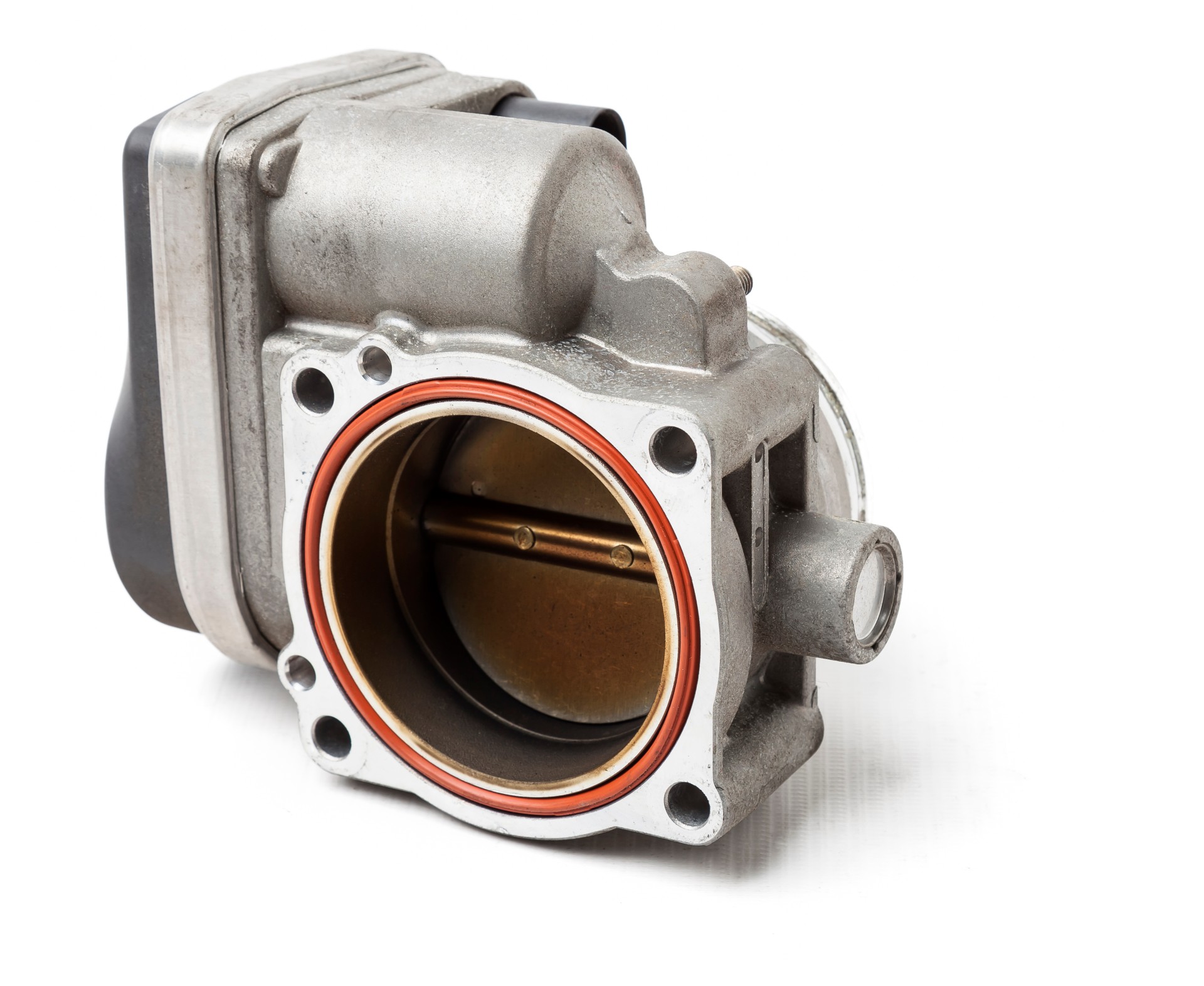
The throttle body controls the air entering the intake manifold through a butterfly valve as part of the vehicle’s air intake system. This valve and the surrounding area can develop a cruddy, gummy build-up that impacts engine performance. 

How hard is it to fix?

Difficulty Level: Moderate

Cleaning out the throttle body is relatively straightforward, but locating and opening the air duct may be intimidating for a first-timer. So, while the actual task of spraying the affected surfaces and wiping away the grime is simple, getting to that point requires a certain degree of familiarity. 

Cost of Repairs

Expect to pay $20 to $40 for throttle body cleaner spray and supplies.

What is it?

The mass air flow (MAF) sensor measures the amount of air entering the engine, which determines how much fuel is sent into the combustion chamber. A dirty or defective MAF sensor affects this reading. 

How hard is it to fix?

Difficulty Level: Moderate

Accessing the MAF sensor is uncomplicated in most cars, but the work requires a delicate touch and very specific steps if a replacement is involved. 

Cost of Repairs

Expect to pay $20 to $40 for MAF sensor cleaner spray and supplies. A new MAF sensor costs $40 to $50.

As mentioned, other problems can trigger a P0507 code. However, depending on the vehicle, dealing with an idle air control valve or power steering pressure switch may go beyond the DIY space. Accessing these parts can be challenging, and additional diagnostic steps may be required to confirm the problem. Remember, newer cars may still be under warranty, so check before attempting DIY repairs to potentially save money.

P0507 Code FAQs

FIXD sensor data gathered in 2023 shows the following vehicles are most likely to experience a DTC P0507.

Make Model Occurrence Frequency 
Dodge Caravan High
Chevrolet Silverado 1500 High
Nissan Altima High
Volkswagen Passat Moderate
Volkswagen Jetta Moderate
Dodge RAM 1500 Low
Dodge Charger Low
Chevrolet Malibu Low
Chevrolet Impala Low
Nissan Maxima Low
Nissan Murano Low
Ford Focus Low
Ford Mustang Low
Ford Ranger Low
Volkswagen Volkswagen Low

Regular, diligent maintenance is the best way to prevent a check engine light from being triggered by code P0507. However, these steps should also include regularly inspecting the throttle body and MAF sensor for dirt and grime buildup, which can lead to high engine RPMs at idle and eventual component breakdown.

Generally, high or low temperatures aren’t directly attributable to a P0507 code. However, extreme weather can lead to the deterioration of certain components—like air hoses and vacuum lines—which can cause a P0507 code.

According to FIXD sensor data from 2023, the Altima has the highest number of P0507 incidents among all monitored Nissan models. In fact, the Altima has a much higher occurrence rating for this problem than the Maxima and Murano, the models with the next highest incident levels.

References:

  1. Repair-cost estimates, repairpal.com (various dates). Retrieved May 22, 2024, from repairpal.com.
David Goldberg

Dave Goldberg is an automotive journalist and lifelong car fanatic. He writes for numerous enthusiast and business outlets and is an ongoing contributor to HotCars.com, one of the most popular car culture websites. When he’s not writing or driving, Dave is either under a hood or asleep. His credentials include a BA in Journalism from The George Washington University.

Find a Certified Shop

We've partnered with RepairPal to recommend trustworthy shops in your area. Enter your details to see certified shops near you that offer upfront estimates, guaranteed fair pricing, and a minimum 12-month, 12,000-mile warranty.


We’re here to help you simplify car care and save, so this post may contain affiliate links to help you do just that. If you click on a link and take action, we may earn a commission. However, the analysis and opinions expressed are our own.

Topics

About the Author

Picture of David Goldberg

David Goldberg

Dave Goldberg is an automotive journalist and lifelong car fanatic. He writes for numerous enthusiast and business outlets and is an ongoing contributor to HotCars.com, one of the most popular car culture websites. When he’s not writing or driving, Dave is either under a hood or asleep. His credentials include a BA in Journalism from The George Washington University.

You might also like

Explore Car Resources

car insurance icons

Car Insurance

Find the best insurance deals for your car

Car Buying

Everything you need to know about buying a vehicle

FIXD Team logo

Car Care

Car repair costs, how-to guides, and more

car buying icons

Vehicle Search

Search any make/model for reviews, parts and more